
Eczema kids – not just itchy on the outside!

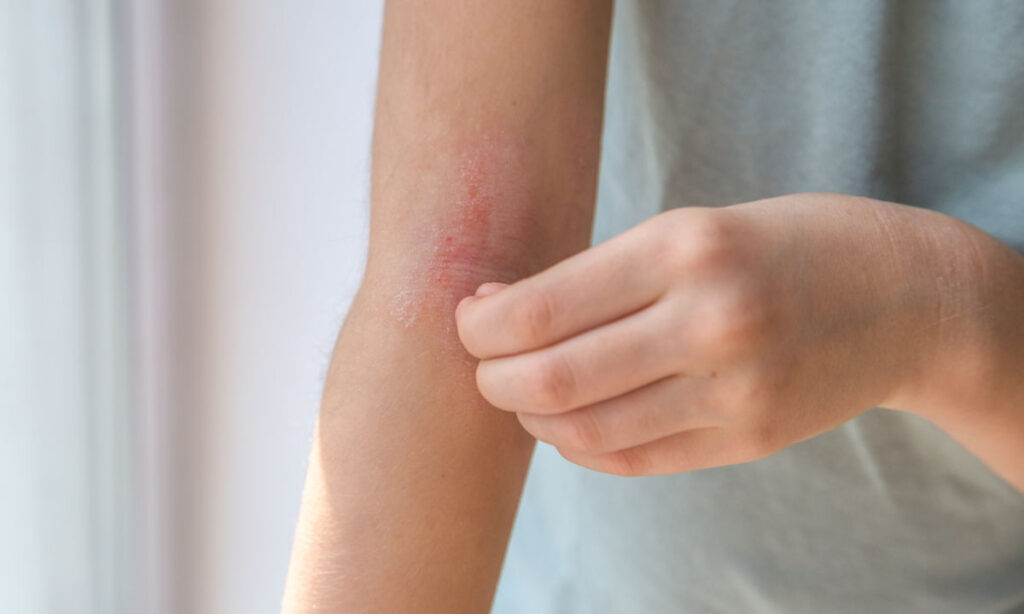
If your child has eczema, you probably know how challenging it can be to watch them struggle with itchy, uncomfortable skin, especially when the creams are not enough.
Many get overwhelmed, irritable and distracted by having to keep on top of their skincare routine, and even those who seem to deal with it like champs may be masking chronic stress.
The discomfort from eczema doesn’t just affect their skin, it can also disrupt their sleep too. The itchy, burning skin at night can have a domino effect on how the child feels the next day. This sleep disruption is one reason why eczema may affect focus and mood.
Eczema doesn’t look very pleasant either, which is not great for a child’s self-esteem, and they can feel very self-conscious about having red and scaly skin. Sometimes you can’t even cover it up, as clothing can irritate it further.
Keeping on top of the itch is so much hard work for the parent too, having to slather on a mix of emollients and moisturisers several times a day, and sometimes it’s an uphill battle keeping the scratching at bay and the skin well moisturised.
But you’re definitely not alone on this journey! It is thought that eczema affects one in five children worldwide, and one in three children in developing countries. It can be a lifelong condition that many people need to manage every single day. For others it waxes and wanes over their lifetime.
Get our lovely Healthy Bites newsletter each week!
Each week, you’ll get an amazing recipe, a useful health tip, and an ingredient to jazz up your shopping basket! We don’t share your details with anyone else.
The medical approach
The medical approach to treating and managing eczema typically involves applying emollient or hydrocortisone (steroid) creams to the skin regularly.
But there are potential side-effects. Using too much hydrocortisone for eczema can cause skin thinning, stretch marks and increased risk of skin infections. Long-term use can lead to adrenal suppression, potentially causing low blood pressure, dizziness and fainting. Excess topical steroid use can even lead to Cushing’s Syndrome which is a disease that can develop due to a long-term high stress and high cortisol state. So ideally steroid creams should only be used sparingly and short term. The UK government guidelines on use of topical steroids were updated in 2024 to reflect this information.
Antihistamines can help alleviate itching, and these are often needed more in the summer when the pollen count is high or when the heat irritates the skin.
If the skin becomes infected and the eczema is spreading rapidly, then a doctor may prescribe antibiotics.
For many people with eczema, daily moisturising and topical treatments become a necessary part of life, and they may never fully outgrow the condition.
The naturopathic approach
My saying has always been that eczema is just as much about being itchy on the inside as it is on the outside and this has been borne out not just in our clinical work over the past 30 years, but increasingly, research is presenting it as a widespread inflammatory disorder that may be influenced by diet, infections and environmental toxins.
Often our clients will say that they feel irritated and inflamed systemically, and find they get exhausted and emotional when their eczema is flaring. It is as if eczema is a full-body and mind experience, and it is not just skin deep.
Gut symptoms often accompany eczema. Studies have found that adults with atopic allergy symptoms also have a higher incidence of irritable bowel syndrome and inflammatory bowel disease. Many studies have also been exploring the role of the gut microbiome in children with eczema and finding a gut microbial pattern which differs from that of the children without eczema.
When you delve deeper, most kids we see in our clinic with eczema also experience at least one of: reflux, bloating, gut pain, gas, mushy or pale-coloured stools, or you see undigested food in the poo. If your child is not passing healthy ‘hazelnut-coloured sausage-shaped sausages’ daily, this may be a clue that there is some disruption within the gut.
It seems that an imbalance of gut flora or problems with nutrient digestion and absorption can aggravate eczema symptoms. The health status of the gut microbiome is closely associated with the skin microbiome, a bidirectional relationship often referred to as the gut-skin axis. If one gets out of balance and inflamed, so will the other.
There is also a growing connection in psychiatry between persistent inflammatory skin conditions and declining mental health. The theory suggests that chronic inflammatory cytokines associated with such atopic conditions may be a reason why up to 30% of people with eczema also experience anxiety and depression.
Atopic diseases such as eczema may play a role in ADHD symptom severity. This may be due to lack of sleep, but also how inflammation can affect both body and mind at once. Excess histamine (which can exacerbate eczema) used to be classified as a neurotransmitter, and can make the brain work too fast – a problem that many people with ADHD and atopic conditions can relate to.
It’s worth noting that itch and pain neurons respond similarly to acute stress, and many people report their eczema worsening during periods of high stress. This demonstrates the importance of stress management in eczema treatment. Many individuals find relief in activities such as yoga, meditation, breathwork, and mindfulness. For children, it might be beneficial to learn about the importance of downtime, sleep and pacing themselves.
Why do kids get eczema?
Genes
Eczema is also known as atopic dermatitis and there is a very strong genetic component to eczema. If you have a family history of atopic diseases including asthma, allergy, hay fever, mast cell activation or histamine intolerance, then a child will be more likely to develop eczema triggered by foods, environmental allergies or sensitivities.
The Filaggrin gene, which is a common genetic mutation in families prone to eczema, can also potentially mean that hard water irritates skin more than softer water. If you carry this gene mutation have you can be up to three times more likely to develop eczema if you bathe in hard chalky water. Many children are sensitive to washing powders and parents need to choose extra gentle skin care products suitable for sensitive skin.
Allergies
Certain foods and environmental allergens may also provoke the eczema, and these can wax and wane and may change over a lifetime. The most frequent food allergens and intolerances in eczema kids are milk, egg and nuts; but equally there could be reactions to soya, legumes and gluten or even high histamine foods like orange juice and tomatoes.
Recent research has found that baby milk formula or formula-heavy mixed-feeding led to more milk-allergy related cases of eczema. On the other hand, breastfeeding and breast-milk heavy mixed-feeding were associated more with egg-allergy related eczema.
Environmental allergens and triggers are common too, such as allergies to house dust mites, pet fur, feathers, tree and grass pollen and moulds as well as sensitivity to cold, dry or damp weather.
Mould exposure from a young age can dysregulate the immune system and can be one of the triggers for eczema in children where there is no known genetic susceptibility. Mould allergies and the mycotoxins from mould exposure can exacerbate atopic conditions overall. Living in a damp house with black mould can make the itchy skin worse and increase sensitivity to a wider range of allergens.
Gut permeability
Research has found that children with eczema have a higher potential for gut permeability and we find that “leaky-gut” is common in the eczema kids that we see in our clinic, which can be triggered by a reaction to gluten/wheat (zonulin is a protein that can regulate the permeability of tight junctions within the intestinal lining). Other reasons can be eating too many sugary or ultra-processed convenience foods or histamine overload. Inflammatory intestinal flora called bacterial-derived lipopolysaccharides (LPS) may also drive the leaky gut.
Gut permeability markers can be tested together via urine or stool tests. A stool test can also analyse any imbalances in the gut microbiome as well as identify any key functional gut issues.
Maternal diet
A mother’s diet during pregnancy can influence whether a baby will develop eczema. It appears that consuming plenty of key allergen-potential foods during pregnancy may be a step towards preventing eczema in their offspring. One study found that moderate egg consumption (3-4 times a week) during pregnancy was protective against egg allergy compared with low consumption (2 eggs or less a week).
There is evidence that eating a diet rich in oily fish, vitamin D, probiotic-rich foods as well as a Mediterranean style diet helps too. It is also better if mummy keeps to a healthy weight when pregnant, as studies have linked excess weight during pregnancy with baby allergies and eczema.
Antibiotics
If a pregnant mum is prescribed antibiotics, or they are given around the time of the birth or whilst breastfeeding, then this can pose a risk factor for eczema in the baby.
Recent studies have found that antibiotics given direct to the baby during their first year of life are linked to a disruption of the gut microbiome and increases the risk of the development of atopic dermatitis. This is likely why the eczema often appears for the first time shortly after a round of antibiotics.
The good news is that supplementing with friendly bacteria during pregnancy and infancy can help dial down the likelihood of atopic dermatitis and eczema in children. Research has consistently found that a combination of Lactobacillus and Bifidobacterium live bacteria strains have a better effect.
It’s also important for mum whilst pregnant and breastfeeding and a weaned baby to eat diet rich in prebiotics, friendly bacteria and polyphenols (brightly coloured pigments in fruits and veg) to keep the microbiome replete in beneficial bacteria.
These foods include kefir, yoghurt, apple cider vinegar, miso, pickled cucumbers, sauerkraut and well as a wide range of vegetables, salads, fruits, nuts, seeds, pulses and olive oil.
Environment
It is also thought that early exposure to anti-bacterial products, such as hand sanitiser, anti-bacterial wipes and sprays may affect the microbiome diversity and immune function in children. Parabens have been identified as antimicrobials to avoid in skincare and cleaning products. There are lots of paraben-free baby skin products now and it is important to pick lovely natural skincare for little ones prone to sensitive skin.
Some PFASs (perfluoroalkyl substances) found in non-stick cooking pans, microwave popcorn bags, stain-resistant carpets and soft furnishing covers have been associated with increased allergies and eczema in children.
In the same vein, BPA exposure from plastics during pregnancy can also upregulate inflammatory pathways in the mother which may lead to more allergies and eczema in her child. This is one of the main reasons why it is important to drink out of a non-plastic water bottle and to avoid too much plastic food packaging.
Prevention and management
There are many angles you can take when it comes to managing eczema through nutrition and gut health. If your child does have multiple allergies or is highly sensitive to what they eat and their environment, it is important to add in one new approach at a time and watch and observe how their skin responds. It can take time for the skin to change and the itch to calm down, so do have patience and persist until you are happy their skin is smoother and less irritating.
Feed them oily fish
The omega 3 essential fatty acids in salmon, trout, mackerel, sardines, anchovies and shellfish help to down-regulate systemic inflammation and also help to bolster the gut microbiome with anti-inflammatory bacterial colonies. These can be fed to all ages including a weaning baby from 6 months.
Prenatal consumption of oily fish is just as important as the baby or child’s diet; and if you are not a fish eater, then supplement with a good quality fish oil or vegan omega 3 marine algae supplement. Good quality omega 3 oils and dietary fats can also help to lubricate dry skin from within so you might need less moisturisers.
Get enough vitamin D
There is some evidence that sufficient vitamin D can help reduce the severity of eczema. Vitamin D again is important for immunity, down-regulating systemic inflammation and for keeping the gut microbiome healthy and replete with beneficial flora.
Maintaining vitamin D levels during pregnancy is vital and research has found that pregnant mums who keep their vitamin D levels topped up are less likely to have kids with allergies and atopic conditions. This is why getting lots of sunshine and eating foods rich in Vitamin D like eggs, fish and grass-fed milk and meat helps.
A lack of vitamin D might be why eczema can flare up in the winter and many parents find that their child’s eczema becomes worse when they have a virus or another infection.
Encourage live bacteria
As you have learnt building up a healthy gut microbiome in pregnancy, when breastfeeding is thought to be a way of preventing atopic conditions.
A child’s gut microbiome flourishes when they eat a wide variety of fresh fruits, berries, vegetables, salads, nuts, seeds, cocoa and olive oil. Probiotic-rich foods include kefir, live yoghurt, miso and apple cider vinegar may also help even in small amounts.
If your child’s eczema is worsened after they have taken a round of antibiotics a course of live bacterial strains given after the antibiotics may help to rebalance things. Friendly bacteria also help to support the overall immune system which in turn can reduce inflammation.
Reduce ultra processed foods & refined sugar
Ultra processed foods (UPFs) are food chemicals added by food manufactures to preserve, sweeten or emulsify food. These all have the potential to disrupt the gut microbiome and drive-up gut and skin inflammation in people with sensitive systems. Cooking from scratch will help to reduce exposure to these UPF ingredients and it is thought that reducing UPF containing foods to less than 20% of your diet is ideal. This is around four times a week only.
These UPF ingredients are in most convenience shop bought foods and drinks nowadays and it is thought that up to two thirds of a young child’s diet contains UPF ingredients.
Unfortunately, most free-from allergy-friendly foods which many kids with allergies rely on contain UPF ingredients. This includes some of the dairy-free milks that so many kids with eczema and allergies turn to.
In the cohort of sensitive children we support at NatureDoc we find that the skin can be irritated by the emulsifiers, in particular Dipotassium Phosphate, which is used in some of the barista ‘mylks’ and that switching to a dairy-free milk that is emulsifier-free can really help the skin to settle. This is likely because emulsifiers are known to be pro-inflammatory to the gut.
Ultra-processed foods also tend to contain lots of refined modified starches and sugars which are known to be proinflammatory and again in turn can flare up the eczema. So, switching to wholegrains and unrefined sweeteners such as fruit: fresh, stewed compote or dried; as well as vanilla, cinnamon, coconut sugar, honey and maple syrup can make a difference.
Reduce histamine
If your child’s eczema responds well to prescribed or over the counter antihistamines, then it is worth seeking out IgE food and environmental allergy testing to identify the allergen triggers.
Sometimes it is not a specific food that is causing the allergic reactions, but a build-up of histamine in the gut due to a microbial imbalance or an excess intake of histamine foods such as tomatoes, avocado, banana or fermented foods like yoghurt.
If your child gets rashes, itchiness or a runny nose after eating these foods, then it might worth getting them checked for histamine intolerance. This happens because people do not produce enough of an enzyme called diamine oxidase in the gut to efficiently break down the naturally occurring histamine in foods.
Infections and the hygiene hypothesis
Sometimes eczema can get out of hand and the skin can get infected. This is usually by a bacterial infection called staphylococcus aureus that can spread easily. Antibiotics are often prescribed by a medical doctor, and you can also apply creams and gels with antimicrobial properties to get on top of the infections.
Sometimes the antibiotics are not enough, and you need to take a “belt and braces” approach by adding in natural antimicrobials such as herbs including garlic, thyme and oregano.
Many people with eczema report that their eczema gets worse when they are run down and have poor immunity, so this is a reason to build in a more resilient immune system with foods abundant in zinc, vitamin D and vitamin C and you can lean on supplements whilst you are trying to get on top of things.
If the eczema is worse on the hands, then this may be due to excess handwashing with soap, specific ingredients in the soap or using hand sanitizers. Washing hands with water alone helps to manage eczema considerably better. And some kids do better simply if you change to a unscented and more natural soap.
Round up
We know how troublesome eczema can be and many people need to deal with it every day, which is horrible and hard work. If you or your child is suffering from eczema and it is making your child miserable and the itching and dry skin is difficult to manage, then get in touch with our NatureDoc clinical team to discuss how to take the functional medicine approach and seek out the root causes of that pesky itch! We can arrange gut microbiome as well as allergy and food intolerance tests and work with you to understand your child’s eczema triggers.
We look forward to working with you to bring your child brighter, smoother and healthier skin!
NB. This is updated from a blog originally published on 20th Sep 2020.
References:
- Allergic Disease Linked To Irritable Bowel Syndrome
- An Altered Skin and Gut Microbiota Are Involved in the Modulation of Itch in Atopic Dermatitis
- Antibiotics taken within the first year of life are linked to infant gut microbiome disruption and elevated atopic dermatitis risk
- Association of atopic dermatitis with depression, anxiety, and suicidal ideation in children and adults: A systematic review and meta-analysis
- Association of Maternal Prepregnancy Weight and Gestational Weight Gain With Children’s Allergic Diseases
- Atopic Dermatitis in Adults and Irritable Bowel Syndrome: A Cross-sectional Study
- Atopic Dermatitis in Early Childhood and Risk of Inflammatory Bowel Disease: A Scandinavian Birth Cohort Study
- Atopic dermatitis: Pathophysiology, microbiota, and metabolome – A comprehensive review
- Atopic Eczema in Adulthood and Risk of Depression and Anxiety: A Population-Based Cohort Study
- Atopic irritable bowel syndrome: a novel subgroup of irritable bowel syndrome with allergic manifestations
- Changes in oral, skin, and gut microbiota in children with atopic dermatitis: a case-control study
- Dietary factors during pregnancy and atopic outcomes in childhood: A systematic review from the European Academy of Allergy and Clinical Immunology
- Eczema
- Eczema phenotypes and risk of allergic and respiratory conditions in school age children
- Effect of probiotic supplementation during pregnancy and infancy in preventing atopic dermatitis in children: a Meta analysis
- Elimination diet and intestinal permeability in atopic eczema: a preliminary study
- Environmental Factors Associated with Altered Gut Microbiota in Children with Eczema: A Systematic Review
- Epidemiology and management of atopic dermatitis in England: an observational cohort study protocol
- Exposure to perfluoroalkyl substances and allergic outcomes in children: A systematic review and meta-analysis
- Fish Consumption at One Year of Age Reduces the Risk of Eczema, Asthma and Wheeze at Six Years of Age
- Gut microbiota and atopic dermatitis in children: a scoping review
- Gut microbiota modulation: a key determinant of atopic dermatitis susceptibility in children
- Gut-skin axis: gut microbiome connections to infant atopic dermatitis (Eczema)
- High incidence of hand eczema in Danish schoolchildren following intensive hand hygiene during the COVID-19 pandemic: a nationwide questionnaire study
- How to Prevent Atopic Dermatitis (Eczema) in 2024: Theory and Evidence
- Increased intestinal permeability in atopic eczema
- Influence of prenatal and early-life exposures on food allergy and eczema in infancy: a birth cohort study
- Lipopolysaccharide-Induced Increase in Intestinal Epithelial Tight Permeability Is Mediated by Toll-Like Receptor 4/Myeloid Differentiation Primary Response 88 (MyD88) Activation of Myosin Light Chain Kinase Expression
- Manipulating Microbiota to Treat Atopic Dermatitis: Functions and Therapies
- Maternal depression and atopic dermatitis in children linked
- Maternal Vitamin D Levels during Late Pregnancy and Risk of Allergic Diseases and Sensitization during the First Year of Life-A Birth Cohort Study
- Microbiome in the Gut-Skin Axis in Atopic Dermatitis
- Multiple environmental exposures in early-life and allergy-related outcomes in childhood
- Nearly one-third of people with atopic dermatitis report depression/anxiety
- Prenatal exposure to bisphenol – A is associated with dysregulated perinatal innate cytokine response and elevated cord IgE level: a population-based birth cohort study
- Processed Food and Atopic Dermatitis: A Pooled Analysis of Three Cross-Sectional Studies in Chinese Adults
- Psychoneuroimmunology of Psychological Stress and Atopic Dermatitis: Pathophysiologic and Therapeutic Updates
- Psychoneuroimmunology of Psychological Stress and Atopic Dermatitis: Pathophysiologic and Therapeutic Updates
- The Association Between Atopic Dermatitis and Inflammatory Bowel Disease Risk: A Meta-Analysis of Longitudinal Studies
- The associations of maternal and children’s gut microbiota with the development of atopic dermatitis for children aged 2 years
- The Impact of Early-Life Exposure to Antimicrobials on Asthma and Eczema Risk in Children
- The Potential Effects of Probiotics and ω-3 Fatty Acids on Chronic Low-Grade Inflammation
- The relationship of prenatal antibiotic exposure and infant antibiotic administration with childhood allergies: a systematic review
- The Role of the Microbiota in the Pathogenesis and Treatment of Atopic Dermatitis—A Literature Review
- Topical corticosteroids and withdrawal reactions
- Trajectories of class-switching-related egg and cow’s milk allergen-specific immunoglobulin isotype formation and its modification by eczema with low- and high-affinity immunoglobulin E during early infancy
- Ultra-processed foods and allergic symptoms among children and adults in the United States: A population-based analysis of NHANES 2005–2006
- Washing with water alone versus soap in maintaining remission of eczema
- Water hardness and a possible genetic link with eczema in children
- What’s new in atopic eczema? An analysis of systematic reviews published in 2016. Part 1: treatment and prevention
- Zonulin, a regulator of epithelial and endothelial barrier functions, and its involvement in chronic inflammatory diseases





This was really helpful thank you.
This was really helpful cause I have a toddler who’s suffering from eczema for too long.