
Are artificial sweeteners as healthy as they are cracked up to be?


You probably already know that sweet things can be pretty addictive and eating and drinking too much sugar can have a range of bad consequences. But how much better are the alternatives?
Artificial sweeteners are marketed as having fewer calories and to be better for our teeth and waistline. They are generally considered safe, but are they as harmless as we’ve been led to believe?
It turns out that some artificial sweeteners may have more in common with real sugar than you might want, and they cause other problems of their own.
Get our lovely Healthy Bites newsletter each week!
Each week, you’ll get an amazing recipe, a useful health tip, and an ingredient to jazz up your shopping basket! We don’t share your details with anyone else.
Metabolic health
When we eat a food containing a lot of refined sugar, we tend to get a temporary blood sugar spike and then drop in blood glucose, and if this happens habitually then it can affect our metabolic health. This seems to be the main avenue for sugar to be problematic, rather than the intrinsic substance being harmful. Historically it was assumed that artificial sugars did not cause blood sugar disruptions. However recent preliminary research has found that some artificial sweeteners can affect blood sugar levels just as much as sugar.
Again, refined sugar is thought to be pro-inflammatory to the body, and it has now been established that some artificial sugars may also lead to chronic inflammation if consumed regularly. It is usually the combination of high blood sugars and inflammation that leads to metabolic health problems such as cardiovascular disease, type 2 diabetes and cancers.
Rather unfairly, it seems that the blood-sugar levels of people in the ‘obese’ category of weight (with a BMI of 30 or above) are affected more than ‘normal’ weight people by artificial sugars. One study showed that the ‘obese’ participants had an insulin spike (a “sugar-rush”) much greater than the ‘normal’ weight participants when consuming the artificial sweetener Sucralose. Insulin spikes are damaging to the body, so it seems that opting for the ‘no added sugar’ or ‘zero sugar’ soft drink, are not necessarily going be the healthier choice.
Generally, the disrupting artificial sweeteners which have been studied are Aspartame, Sucralose and Acesulfame Potassium, but it should not be assumed that other chemical sweeteners are free from these effects.
Gut health
As you will see later on in this article, many artificial sugars when consumed in large quantities can irritate the intestines leading to gas, bloating, cramps and loose stools.
Artificial sweeteners such as Aspartame, Saccharin, and Sucralose may also have antibacterial effects, which means they may well kill off beneficial bacteria in our gut microbiome, upsetting the natural intestinal balance and allowing the more harmful and pro-inflammatory bacteria to thrive.
This disruption of our gut bacteria could be one of the reasons that glucose metabolism is impaired and that there is an increase in inflammation. These changes in the composition of gut bacteria are also associated with a propensity to obesity and other metabolic disorders.
Brain health
Our brain health may also be affected by artificial sweeteners. A 2018 study noted that the consumption of sucralose whilst pregnant may adversely impact a child’s cognition. Further research suggests that for sensitive individuals, aspartame may cause neurological and behavioural disturbances. Whilst other studies propose there is a higher risk of stokes and dementia with artificial sweetened drink consumption.
A summary of the most common artificial sweeteners
Here is a handy guide to the artificial sweeteners you can find added to our food and drink:
Aspartame (1 star out of 5)
Aspartame, commercially known as NutraSweet or Equal, is commonly used as a sugar substitute in products such as cordials, squash, no-sugar fizzy drinks, sugar-free chewing gum and sugar-free sweets. It is composed of Phenylalanine (50%), Aspartic acid (40%) and Methanol (10%), and it is approximately 200 times sweeter than regular sugar.
As well as the metabolic and gut issues mentioned above, it is essential to avoid Phenylalanine if you have a common metabolic condition called Phenylketonuria (PKU) which is tested at birth via the heel prick test.
The Aspartic acid component can sometimes be pro-inflammatory to the brain and may in some genetically predisposed people affect the glutamate pathways which can be harmful to the nervous system. Aspartame would need to be consumed in large quantities for any harm to occur, however some people seem to be more sensitive to the effect of excess Aspartic acid.
It should be noted that the Methanol part of Aspartame can also be toxic if consumed in large quantities, as it breaks down into formaldehyde which is a known carcinogen and a neurotoxin in the body. However, remember this is only 10% of the end product.
Acesulfame Potassium, AKA: Acesulfame K (1 star out of 5)
Acesulfame Potassium usually appears as Acesulfame K on food labels. Colloquially known as Ace-K, this artificial sugar is commonly used in lower-sugar or no-sugar fizzy drinks, fruit cordial/squashes, ice cream, yoghurt, jelly, jam, muffins, mouthwash and toothpaste. It is again roughly 200 times sweeter than regular sugar.
Although Acesulfame K has been deemed ‘generally recognised as safe’ by the US FDA, as well as the metabolic issues mentioned above, it came under much scrutiny as a study in the 1970s showed a link to bladder cancer in rats. More recent studies have found that Acesulfame K may play a role in weight gain and changes in gut microbiome, potentially leading to chronic inflammation and obesity.
Saccharin (1 star out of 5)
Saccharin is about double the sweetness of Aspartame and Acesulfame K at approximately 300 – 400 times sweeter than table sugar. It is found in a wide variety of food and drink products, such as diet drinks and chewing gum.
Some studies indicate that large amounts of Saccharin may negatively affect the balance of bacteria in your gut and that microbial changes in the intestines may lead to type 2 diabetes, obesity, and it may be even rare cancers. Further long-term studies are needed to ascertain exactly what is going on.
Sucralose (2 star out of 5)
Sucralose is even sweeter and is approximately 600 times sweeter than sugar and you’ll find it in diet fizzy drinks, sugar-free gelatine, maple syrup alternatives, sugar-free jams and fruit spreads.
Studies on Sucralose show that it may in some cases negatively impact your gut microbiome by lowering the number of good bacteria by half. Research conducted on animals shows that excess intake of Sucralose could also potentially increase inflammation in the body.
Which foods and drinks contain artificial sweeteners in the UK?
- Most “light” diet yoghurts and “zero” fizzy drinks contain a combination of Aspartame and Acesulfame K. This is the same for sugar-free jellies and low-sugar jelly-type sweets. Diet Coke contains Aspartame on its own.
- ‘No added sugar’ cordials and squash drinks tend to have a combination of Acesulfame K and Sucralose. Some squashes such as Ribena contain Aspartame.
- Sugar-free chewing gums are often a combination of five or six different artificial sugars including Sorbitol, Mannitol, Maltitol Syrup, Aspartame, Sucralose, Acesulfame K.
- If you like to add artificial sweeteners to your hot drinks, then you might find it useful to know that you will find both Aspartame and Aacesulfame K in Canderel and Hermeseta’s Granulated; and then only Acesulfame K is in Hermeseta’s Gold. Sweetex, Hermeseta’s Mini and Sweet N Low all contain Saccharin. There is Sucralose in Splenda.
Healthier alternatives – Natural sweeteners
It’s not all bad news, as there are natural alternatives to sugar that are not man-made or artificial. Their names may be unfamiliar may sound artificial, but they are really not artificial.
These make much better options as they are often tooth-friendly and do not affect the metabolism as much. Research suggests that they may even have some added health benefits!
Mannitol (4 stars out of 5)
Mannitol is a sugar alcohol that is widely used as a sweetener and approved in the UK as a food additive. Due to its low glycaemic index and low-calorie content, it is widely used within the food industry as a sweetener, stabiliser and thickener. You’ll often find Mannitol in sugar-free sweets, chewing gum, as well as some dietary supplements, protein bars and sports drinks.
In moderate amounts Mannitol is generally considered safe however excessive consumption can cause gastrointestinal discomfort, including gas, bloating and loose stools.
Maltitol Syrup (4 stars out of 5)
Maltitol syrup is a sugar alcohol that is commonly used as a sweetener and is derived from maltose, a sugar found in starches such as corn, potatoes, barley and wheat. Maltitol syrup is however gluten-free. It is often used in food products such as chocolate, sugar-free sweets and chewing gum. Although it is considered safe, it can have the potential to cause tummy upsets when consumed in excess.
There may be some positive effects from consuming Maltitol as it has a slow digestion rate and is fermented in the colon. In a human study involving 40 volunteers, it was noted that the composition of their gut microbiota became more healthy, with increased numbers of faecal Lactobacilli, short chain fatty acids and Bifidobacteria compared with the ingestion of table sugar.
Sorbitol (4 stars out of 5)
Made from glucose it is among the family of sugar alcohols. Like some other artificial sugars it has a slight cooling effect on the mouth. Sorbitol is naturally found in berries such as blackberries, raspberries and strawberries, as well as other fruits including apples, apricots, avocados. There is a little in wine and beer. In 2011, the European Food Safety Authority (EFSA) found that sorbitol can help with dental health and strengthen enamel.
Some people are sensitive to sorbitol, including naturally occurring sorbitol in food and drinks which leads to gastric issues. The Food and Drug Administration (FDA) says it is okay to have up to 7% sorbitol in foods, as eating much more sorbitol can cause bloating and diarrhoea. Long term continuous intake of sorbitol may have the potential to raise blood glucose, but this research is still emerging.
Isomalt (4 stars out of 5)
Isomalt is a sugar alcohol produced from beetroot sugar. It is used most regularly in sugar-free chewing gum and sugar-free sweets but is sometimes used in pharmaceuticals and oral health products.
It has a low glycaemic index, so it doesn’t rapidly raise blood sugar levels, which means people with blood sugar conditions or diabetes tend to use it. However, excessive consumption of Isomalt has also been linked to digestive discomforts including bloating, gas and diarrhoea.
There is also some evidence to suggest that Isomalt may have positive effects on gut health, as it promotes the growth of some beneficial bacteria such as Bifidobacterium in healthy people.
Stevia (5 stars out of 5)
Stevia is a natural sweetener from the leaves of the Stevia Rebaudiana. It’s most commonly used as a sugar substitute in soft drinks, juices, yoghurt, granola bars, cereals and is often used as a tabletop sweetener. You may well spot ‘Steviol glycosides’ on the label. It is the sweetener of choice for many protein powders and food supplements.
Potential health benefits of Stevia include lowering blood pressure; and it contains antioxidant compounds which might help lower the risk of certain cancers, such as pancreatic cancer.
Xylitol (5 stars out of 5)
Xylitol is a natural sugar alcohol and is common in a wide variety of products, such as chewing gum, mint sweets, cough syrup, children’s chewable multivitamins, mouthwash and toothpaste. It’s derived from various plant materials including birch bark.
Xylitol can have a slightly cooling sensation in the mouth. This effect may be why Xylitol has been shown to have properties that are beneficial for dental health such as helping to maintain a healthy oral microbiome. It does this by inhibiting the growth of harmful bacteria in the mouth and reducing the production of acid that can erode tooth enamel. Xylitol also helps to promote the production of saliva which helps to wash away food particles and bacteria which are responsible for tooth decay and gum disease, and it contains natural enzymes that can help protect teeth from harmful bacteria.
Xylitol can cause a laxative effect when consumed in large quantities causing digestive issues such as gas, bloating or loose stools.
Erythritol (5 stars out of 5)
Erythritol is a natural sugar alcohol used in food and drink products, such as sweets, gum and packaged cakes. It is derived from a variety of plant materials, such as corn.
In animal studies erythritol was found to prevent an increase of both blood sugar levels and insulin and this may be partly why it is the main sweetener used by people adopting a ketogenic diet.
Whilst, a 3-year study of 485 school children found that it offered more dental protection that Xylitol.
What about honey and other natural sugars?
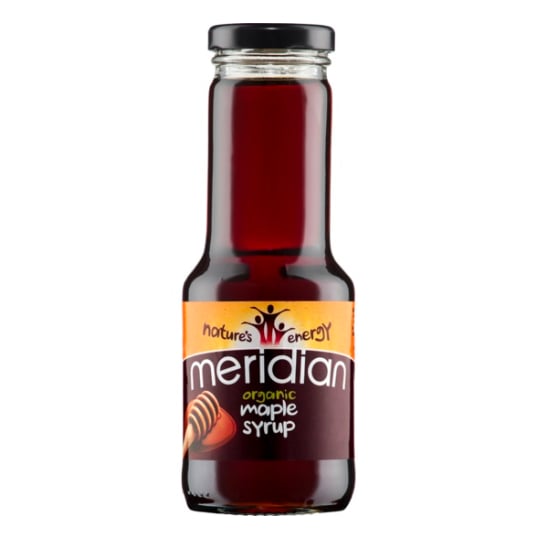
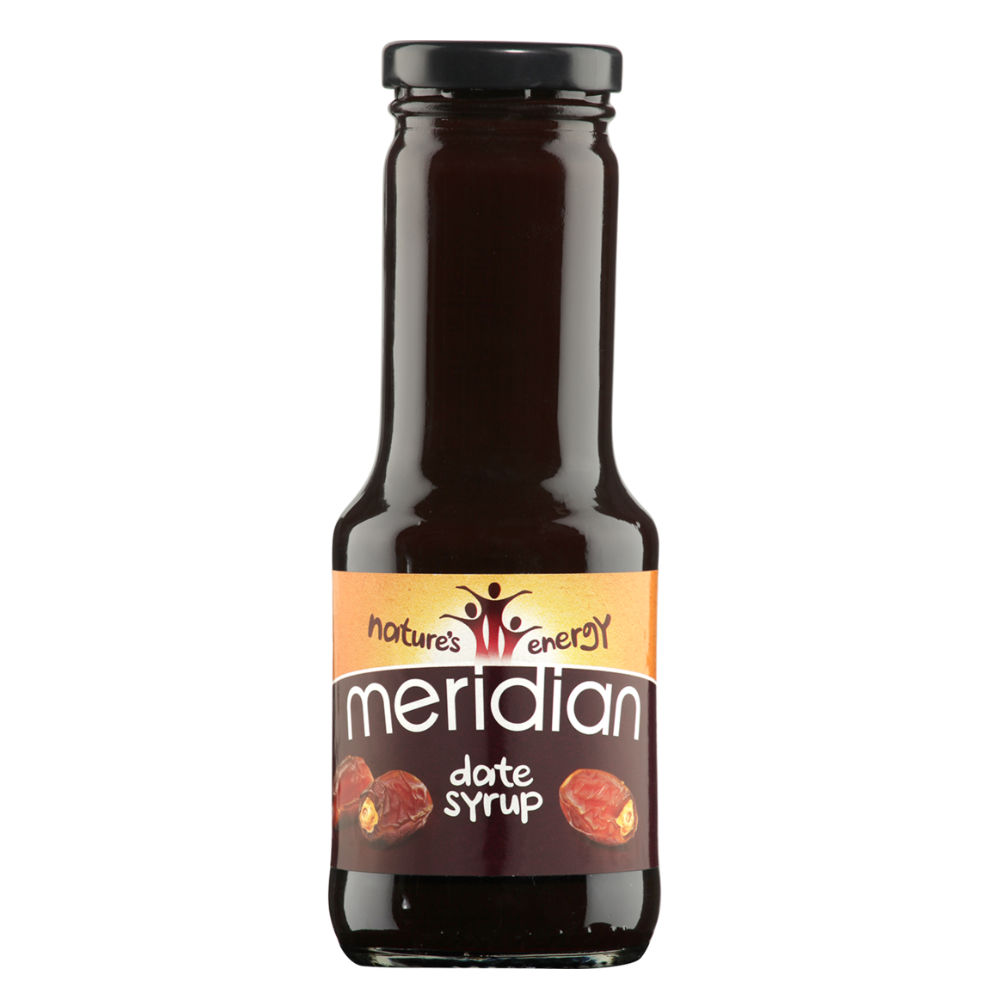
Although it is generally considered safe to consume small amounts of sugar-free Stevia, Xylitol and Erythritol in your day-to-day diet, you might prefer to opt for more familiar sweeteners such as raw honey, maple syrup, date syrup and coconut sugar. Be under no illusion, these all do contain sugar!
However, these more natural sugars are considered healthier alternatives because they have a lower glycaemic index (GI) than table sugar. The GI measures how quickly a food raises blood sugar levels. Foods that have a lower GI are generally considered to be better for overall health. So again, a little in moderation, especially when eaten along with food containing protein and healthy fats is usually totally ok to enjoy.
Round up
Artificial sweeteners have been touted as being better to consume than sugar because they are lower in calories. However, growing research suggests they may come with health risks including affecting your gut health – which means consuming too much could lead to a speedy dash to the bathroom in the short term and greater metabolic risk later down the line!
If you want to add a little sweetness to your morning cuppa, something sweet on top of your porridge or in your flapjacks, then it might be more beneficial for your gut bugs, metabolic, brain and heart health to drizzle on a little raw honey or maple syrup instead.

References:
- A human volunteer study to assess the impact of confectionery sweeteners on the gut microbiota composition,
- Artificial sweeteners a place in the field of functional foods? Focus on obesity and related metabolic disorders
- Artificial sweeteners affect metabolism and insulin levels
- Artificial sweeteners and risk of cardiovascular diseases: results from the prospective NutriNet-Santé cohort
- Artificial sweeteners induce glucose intolerance by altering the gut microbiota
- Artificial sweeteners: a systematic review of metabolic effects in youth
- Artificial Sweeteners: History and New Concepts on Inflammation
- Aspartame, acesulfame K and sucralose- influence on the metabolism of Escherichia coli
- Association between intake of non-sugar sweeteners and health outcomes: systematic review and meta-analyses of randomised and non-randomised controlled trials and observational studies
- Associations Between Added Sugar Intake and Risk of Four Different Cardiovascular Diseases in a Swedish Population-Based Prospective Cohort Study
- Associations of Prenatal and Child Sugar Intake With Child Cognition
- Bittersweet: artificial sweeteners and the gut microbiome
- Critical role of formaldehyde during methanol conversion to hydrocarbons
- Direct and indirect cellular effects of aspartame on the brain
- Do artificial sweeteners affect your gut bacteria?
- Effect of erythritol and xylitol on dental caries prevention in children
- Effects of Sucralose Ingestion versus Sucralose Taste on Metabolic Responses to an Oral Glucose Tolerance Test in Participants with Normal Weight and Obesity: A Randomized Crossover Trial
- Effects of Sweeteners on the Gut Microbiota: A Review of Experimental Studies and Clinical Trials
- Effects of the Artificial Sweetener Neotame on the Gut Microbiome and Fecal Metabolites in Mice
- Efficacy and tolerability of oral stevioside in patients with mild essential hypertension: A two-year, randomized, placebo-controlled study
- Erythritol Attenuates Postprandial Blood Glucose by Inhibiting α-Glucosidase
- Glutamate and Aspartate Are the Major Excitatory Transmitters in the Brain
- High-Intensity Sweeteners
- Kaempferol Inhibits Pancreatic Cancer Cell Growth and Migration through the Blockade of EGFR-Related Pathway In Vitro
- Low-Dose Aspartame Consumption Differentially Affects Gut Microbiota-Host Metabolic Interactions in the Diet-Induced Obese Rat
- Neurophysiological symptoms and aspartame: What is the connection?
- New sweetener Advantame approved for use in EU
- Personalized microbiome-driven effects of non-nutritive sweeteners on human glucose tolerance
- Pharmacokinetics of Sucralose and Acesulfame-Potassium in Breast Milk Following Ingestion of Diet Soda
- Plausible Biological Interactions of Low- and Non-Calorie Sweeteners with the Intestinal Microbiota: An Update of Recent Studies
- Polyols – What do we know about their impact on the gut microbiome?
- Relation of Total Sugars, Sucrose, Fructose, and Added Sugars With the Risk of Cardiovascular Disease: A Systematic Review and Dose-Response Meta-analysis of Prospective Cohort Studies
- Relationship between Research Outcomes and Risk of Bias, Study Sponsorship, and Author Financial Conflicts of Interest in Reviews of the Effects of Artificially Sweetened Beverages on Weight Outcomes: A Systematic Review of Reviews
- Short-term impact of sucralose consumption on the metabolic response and gut microbiome of healthy adults. British Journal of Nutrition.
- Splenda alters gut microflora and increases intestinal p-glycoprotein and cytochrome p-450 in male rats. Journal of Toxicology and Environmental Health.
- Sugar- and Artificially Sweetened Beverages and the Risks of Incident Stroke and Dementia: A Prospective Cohort Study
- Sugar substitutes market by type, composition, application, and region – global forecast to 2025.
- Sweeteners: Classification, Sensory and Health Effects
- The artificial sweetener acesulfame potassium affects the gut microbiome and body weight gain in CD-1 mice
- The Association Between Artificial Sweeteners and Obesity
- The effect of the artificial sweeteners on glucose metabolism in healthy adults: a randomized double-blinded crossover clinical trial
- The effects of non-nutritive artificial sweeteners, Aspartame and sucralose, on the gut microbiome in healthy adults: Secondary outcomes of a randomized double-blinded crossover clinical trial.
- Trends in the Consumption of Low-Calorie Sweeteners
- Use of caloric and noncaloric sweeteners in US consumer packaged foods, 2005-2009





Responses