
Itchy Ears Beware! Tackling Juvenile Spring Eruption in Kids


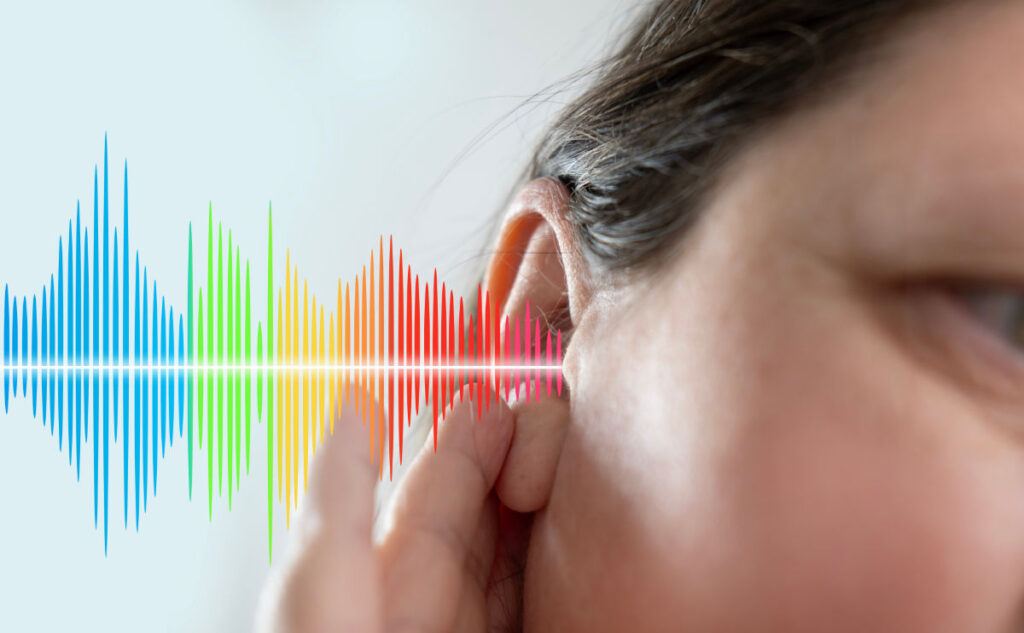
Does your child get itchy, sore ears in the spring and early summer? Do they go red and bubble up as if they have been burnt by the sun or stung by a nettle leaf? This could well be a common issue called Juvenile Spring Eruption.
Juvenile Spring Eruption, also known as Seasonal Affective Dermatitis, is a skin condition that primarily affects children and teenagers. Typically occurring in the early spring and summer months, Juvenile Spring Eruption presents as red, itchy and swollen skin, primarily on the outer ear. This usually looks a like a nettle rash to begin with and it can then crust over. It usually goes away by itself quite quickly within a week or two, but some kids get it worse than others.
Get our lovely Healthy Bites newsletter each week!
Each week, you’ll get an amazing recipe, a useful health tip, and an ingredient to jazz up your shopping basket! We don’t share your details with anyone else.
Causes of Juvenile Spring Eruption
While the exact cause of Juvenile Spring Eruption is not yet fully understood it is believed to be an allergic reaction caused by a combination of environmental factors, such as being photosensitive to sun exposure as well as reactive to allergens like pollen. The condition is more common in children and teens with a predisposition to develop allergic conditions like asthma, eczema and allergic rhinitis.
Avoiding sun exposure does help, but applying sun cream may not. UVA rays from the sun can provoke the symptoms. The photosensitivity can be high, so that the itchy rash can appear even after mild sun exposure through a glass window or very thin clothing. So this is why standard sun creams, which usually don’t protect that well against UVA rays, often don’t prevent a reaction in the kids who are photosensitive.
Histamine, a compound released by the body in response to allergens, is thought to play a significant role in the development of Juvenile Spring Eruption. It can cause itching, redness and swelling, all of which are characteristic symptoms of Juvenile Spring Eruption. The outer ear’s sensitive skin and thin cartilage make it especially susceptible to histamine’s effects, leading to inflammation and discomfort.
It has been suggested that kids with lower levels of Vitamin D may be more prone to developing allergic conditions like Juvenile Spring Eruption. The connection could be due to the vitamin’s ability to help regulate the body’s immune response to allergens. Vitamin D levels tend to be at their lowest after a long dark winter, so this makes some sense.
Vitamin C and Quercetin: A Powerful Combination
Vitamin C and Quercetin, two naturally occurring compounds found in various fruits and vegetables, may help alleviate allergic symptoms by stabilising histamine levels in the body.
- Vitamin C: With natural antihistamine properties, Vitamin C has been shown to reduce histamine levels in the body and lessen allergic reactions. It is found in citrus fruits, strawberries, bell peppers, parsley, broccoli, and other colourful fruit and vegetables. The maximum amounts Vitamin C that children can tolerate when consumed on a daily whilst going through a histamine flare are as follows: 1–3 years 400mg, 4–8 years 650mg, 9–13 years 1,200 mg, 14–18 years 1,800mg. To put this into context, one medium orange contains 60mg.
- Quercetin: A flavonoid found in many fruits, vegetables and grains, Quercetin possesses potent antioxidant and anti-inflammatory properties. It can help stabilise the body’s release of histamine and reduce inflammation. Foods rich in Quercetin include apples, red onions and red bell peppers as well as lambs’ lettuce and pea shoots.
Round up
While there is no known cure for Juvenile Spring Eruption, incorporating Vitamin C and Quercetin into your child’s diet may well help reduce symptoms and improve painful and itchy ears during the spring and summer months.



Responses