
How to ride out a diarrhoea & vomiting gastric bug


It is a totally miserable experience when you or your children …or your whole family have a bout of diarrhoea and vomiting. Whether it’s caused by a stomach bug, food poisoning or a viral infection, finding relief quickly is always a top priority. While medical care may be necessary in severe cases, there are things you can do at home to alleviate symptoms and restore your body’s balance. I’d recommend always having a few of them handy.
Get our lovely Healthy Bites newsletter each week!
Each week, you’ll get an amazing recipe, a useful health tip, and an ingredient to jazz up your shopping basket! We don’t share your details with anyone else.
During the Infection:
Electrolytes
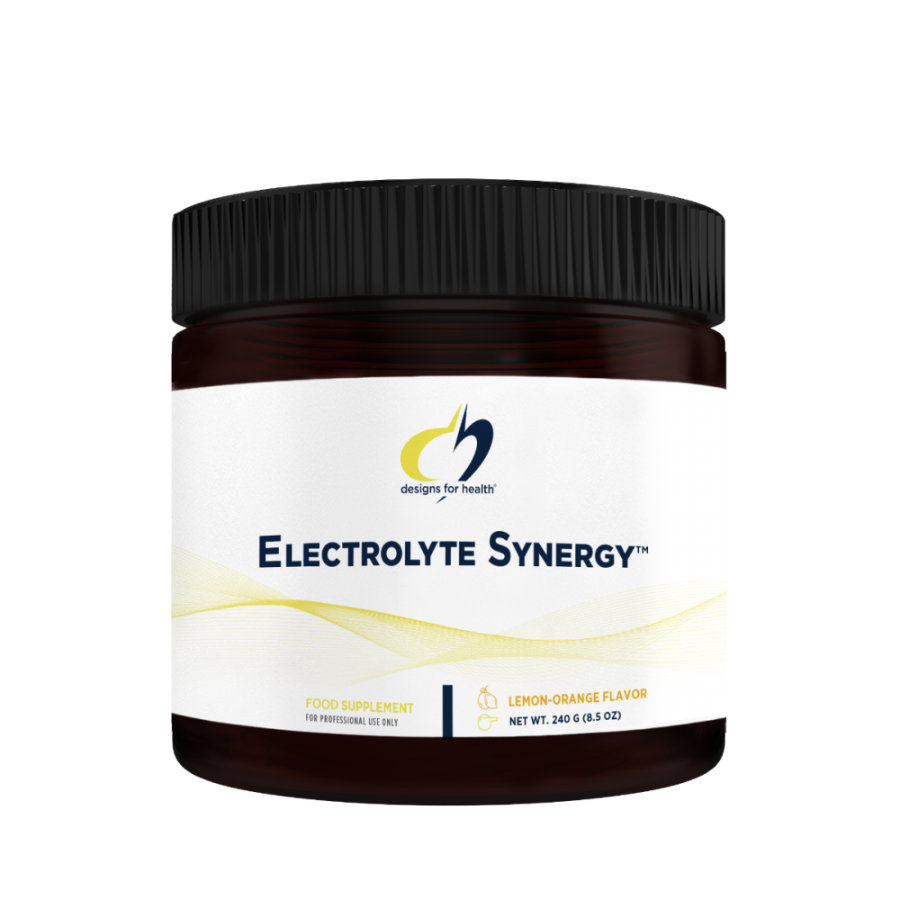
Diarrhoea and vomiting can cause your body to lose a lot of fluids and electrolytes. It’s important to replenish these elements to keep yourself hydrated and to help your body recover. You can consume electrolyte drinks such as coconut water or specialist electrolyte supplements to help replenish the lost fluids and minerals. It’s important to remember to sip these drinks gently as drinking too much at once can cause vomiting. If you can’t stomach electrolyte drinks, just sip on as much plain water as you can manage and you might be able to tolerate a little salt and honey over time.
Gel Binders
Adsorbent gel binder gels work by grabbing toxins, pathogens and other harmful substances in the gut and eliminating them from the body. They are available in the form of a safe and simple oral suspension added to water. They can be sold as a tasteless, clear gel and are generally suitable even for sensitive tummies and young children.
Activated Charcoal
Activated charcoal is a natural substance that can help absorb toxins and chemicals in the body which has been used historically for gastric upsets. During a diarrhoea and vomiting infection, you can use activated charcoal in the short term to help absorb some of the toxins and bacteria that are causing the infection. It’s important to note that activated charcoal can also absorb nutrients, so it should not be used for extended periods. This will make your stool go pitch black, which can be alarming!
Slippery Elm, Aloe Vera, and Marshmallow Root
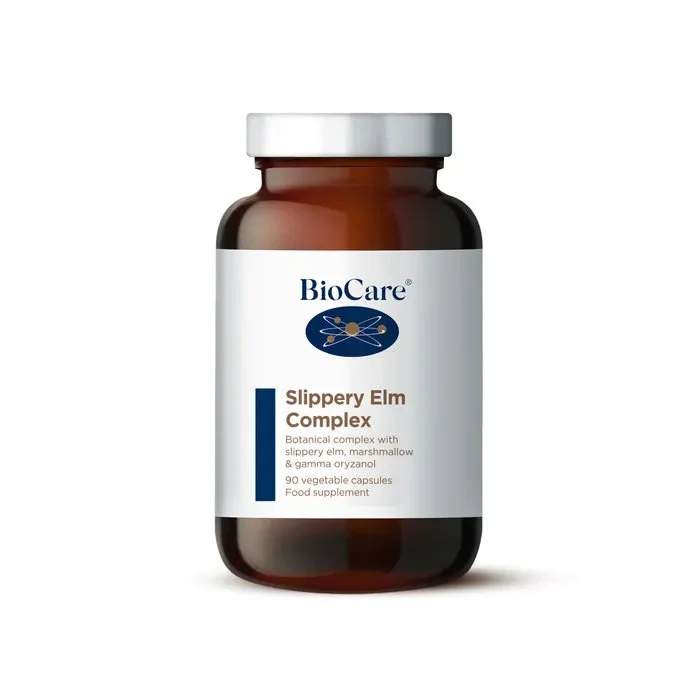
These herbs can help soothe the gut lining and reduce inflammation and irritation caused by the infection. They can help with the residual acidic feeling and gut discomfort and is lovely and soothing for recuperating intestines. Slippery elm can be taken in powder or capsule form, aloe vera can be consumed in juice form, and marshmallow root can be consumed in tea form. They are often combined as a powder or capsule.
After the Infection:
Once you have recovered from the diarrhoea and vomiting infection and the gut has stabilised, it’s essential to rebuild your gut lining and restore the healthy bacteria in your gut:
Probiotics
Probiotics are live bacteria and yeasts that are beneficial for your gut health. They can help restore the healthy bacteria in your gut and improve digestion. You can consume probiotics in supplement form or by consuming fermented foods such as kefir and live yoghurt. Due to EU law, these products are no no longer able to call themselves “probiotics” as this is deemed a health claim. But you can often find them described as gut bacteria or friendly bacteria.
Saccharomyces Boulardii
This is a probiotic yeast that is known for its ability to prevent and treat diarrhoea. It can help restore the healthy bacteria in your gut and improve digestion and it helps to build up the gut immune defences. You can consume saccharomyces boulardii in supplement form.
Zinc, Vitamin A and Vitamin D
These nutrients can help rebuild your gut lining and improve your immune system. You can consume foods rich in these nutrients, such as shellfish, molluscs, yoghurt, dark chocolate, beef and lentils for zinc; mango, sweet potato, butter, leafy green vegetables, eggs and oily fish for Vitamin A; and oily fish and eggs for vitamin D. You could also take these nutrients in supplement form.
Round Up
Recovering from a diarrhoea and vomiting infection can be challenging and slow, but with the right steps you can help your body recover quickly. It’s important to note that if your symptoms persist or worsen, you should seek medical attention. Severe cases of diarrhoea and vomiting can lead to dehydration and can be dangerous if left untreated. In addition, if you have a weakened immune system or are at higher risk for complications, you should consult with your doctor.
References
- Double-blinded randomised placebo controlled trial of enterosgel (polymethylsiloxane polyhydrate) for the treatment of IBS with diarrhoea (IBS-D)
- Investigation of the adsorption capacity of the enterosorbent Enterosgel for a range of bacterial toxins, bile acids and pharmaceutical drugs
- Enterosgel for the treatment of adults with acute diarrhoea in a primary care setting: a randomised controlled trial
- Is there a role for charcoal in palliative diarrhea management?
- Molecular Mechanisms of Disturbed Electrolyte Transport in Intestinal Inflammation
- Antioxidant effects of herbal therapies used by patients with inflammatory bowel disease: an in vitro study
- Oral administration of Aloe vera gel, anti-microbial and anti-inflammatory herbal remedy, stimulates cell-mediated immunity and antibody production in a mouse model
- A Pilot Study of the Effect of Aloe barbadensis Mill. Extract (AVH200®) in Patients with Irritable Bowel Syndrome: a Randomized, Double-Blind, Placebo-Controlled Study
- Aqueous extracts and polysaccharides from Marshmallow roots (Althea officinalis L.): Cellular internalisation and stimulation of cell physiology of human epithelial cells in vitro
- Probiotics for the prevention of antibiotic-associated diarrhoea: a systematic review and meta-analysis
- Efficacy of probiotics in prevention of acute diarrhoea: a meta-analysis of masked, randomised, placebo-controlled trials
- Use of probiotics in children with acute diarrhea
- Treatment of diarrhea-predominant irritable bowel syndrome with mesalazine and/or Saccharomyces boulardii
- A randomized, double-blind, placebo-controlled multicenter trial of saccharomyces boulardii in irritable bowel syndrome: effect on quality of life
- Intestinal Permeability in Inflammatory Bowel Disease: Pathogenesis, Clinical Evaluation, and Therapy of Leaky Gut
- A Review of Zinc-L-Carnosine and Its Positive Effects on Oral Mucositis, Taste Disorders, and Gastrointestinal Disorders
- Commensals Suppress Intestinal Epithelial Cell Retinoic Acid Synthesis to Regulate Interleukin-22 Activity and Prevent Microbial Dysbiosis
- Vitamin A and vitamin D regulate the microbial complexity, barrier function and the mucosal immune responses to insure intestinal homeostasis
- Vitamins, the gut microbiome and gastrointestinal health in humans




Responses