
Fly healthy: my top tips to stay well when you travel on planes

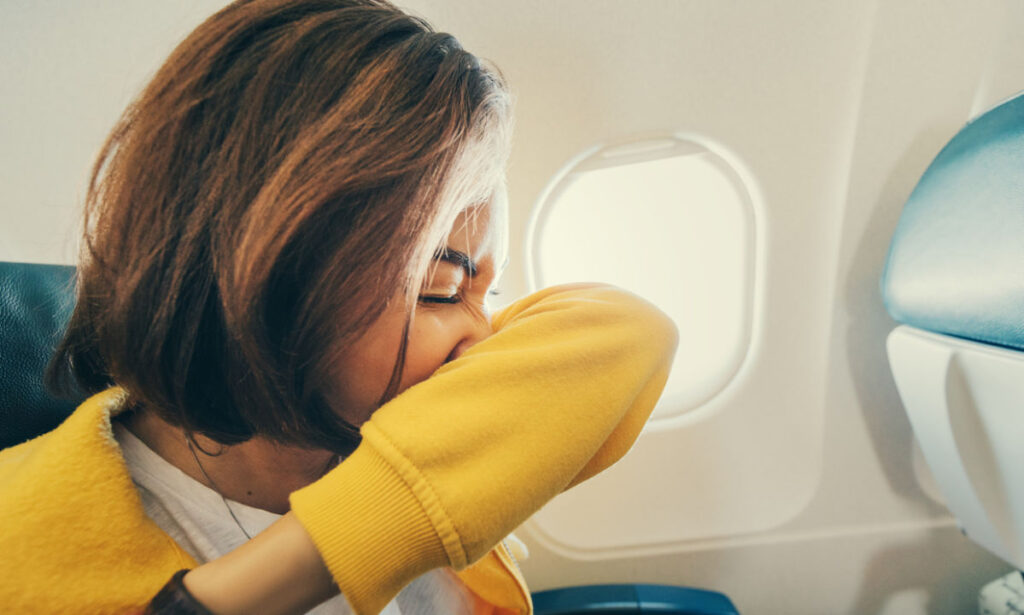
Air travel is exciting when you travel to exciting new places, but I bet most of you have experienced a health crash-landing from a bug picked up while on holiday – or more likely in the plane going there or coming back.
Let’s be honest, planes are a bit of a germ-fest. Between the recycled air, close quarters, and high-touch surfaces (not to mention airports and resorts!), planes can be a breeding ground for various infections, ranging from viruses to bacteria.
Many of the families I work with often ask me how to stay healthy while flying, so that a bug picked up on the plane doesn’t ruin their holiday and they arrive home refreshed instead of bed-ridden. So here are my favourite natural, practical and family-friendly tips to help you arrive at your holiday destination feeling fabulous…and not feverish.
Get our lovely Healthy Bites newsletter each week!
Each week, you’ll get an amazing recipe, a useful health tip, and an ingredient to jazz up your shopping basket! We don’t share your details with anyone else.
Clean your hands
An easy way to avoid picking up bugs on a plane is to wash your hands (and your kids hands) regularly with soap and water. It sounds simple, but it’s incredibly effective. When you go to the loo, before and after you have eaten and when you wake up from a nap.
If you agonig somewhere that there may not be a lot of soap around, consider taking a natural hand sanitiser. Look for one with tea tree oil, aloe vera or colloidal silver, which are gentle on the skin but tough on germs.
This natural disinfectant spray with tissues can double as an antimicrobial wipe to clean your tray table, seatbelt buckle and armrests. You’d be surprised how rarely these are cleaned!
Bolster your immunity
We are usually utterly exhausted on the way to our holiday, having needed to do a million jobs before going away. There is a phenomenon sometimes dubbed “leisure sickness” when you become struck down with an illness on holiday. This is where your immune system is flagging after a long period of strain. Thankfully, some gentle nutrition support before and during travel can make all the difference to how you feel once you reach your holiday destination. I recommend packing a small “travel wellness kit” with:
- Vitamin C: A powerful antioxidant that helps fight off viruses.
- Zinc: It is a vital mineral that helps support overall immunity and is particularly protective against the negative effects of a virus. Chewable lozenges are great for travel.
- Elderberry extract: A lovely natural antiviral herb, and great for kids and adults alike. It has been found to reduce the duration and severity of colds in air travellers. This is available again in chewable tablets, which are usually easier to travel with than liquids.
- Gut binders: If you are prone to diarrhoea, consider taking gel binders, such as polymethylsiloxane polyhydrate, to help naturally bind things up a little. These often come in easily transportable sachets you add to water.
- Live bacteria: Travel can disrupt your gut flora, and you might need some friendly bugs to help ward off upset tummies. Eating yoghurt or kefir before a flight is a good idea, or take a live bacteria supplement.
Your infection bouncer
Bacteria, fungal spores and viruses invade through your nose all the time. And your nose contains mucous membranes that act like your personal infection bouncer to ward them off. But airline cabin air is incredibly drying, which drys out your mucous membranes and make it much harder for them to do their job, and you become more vulnerable to infection. This is probably the biggest infection risk when going on holiday.
Aeroplanes have very sophisticated air filtering, but when you are in a narrow aluminium tube with hundreds of other people, and someone close to you is blasting out germs, you still need to stop them getting in.
Ideas to try include:
- If you have a chance to buy some in advance, use a saline nasal spray to freshen up your nostrils and replenish their moisture. There are lots available and some incorporate aloe vera.
- Otherwise, ask for a cup of hot water or tea, and put it under your nose where the steam can gentry hydrate your nostrils. But do put it down during turbulence!!
- Also you can dampen a piece of fabric and breathe through it. This can work with face masks, even if they aren’t otherwise effective against viruses.
But it’s not just your nose. Your whole body relies on moisture. So drink plenty of water and aim for at least one glass per hour of flight time. Avoid alcohol and caffeine, which can dehydrate you further. You can add a pinch of Himalayan salt or drop a dissolvable electrolyte tablet into your water if you have a high tendency to feel dehydrated and pee too frequently. Look out for coconut water when you arrive at your destination if you are finding it hard to hydrate properly.
Quash oxidative stress
When you fly at altitude, your body is put under stress, which may increase inflammation and oxidative stress within your cells. Frequent flyers often become unwell because their body has not had time between flights to perform this vital repair work, so it is essential to prioritise these nutrients if you take regular flights or are taking a long-haul flight to prevent inflammation and cell damage which can lead to aches and pains as well as metabolic challenges.
The high need for antioxidants and polyphenol-rich foods when you fly is likely why you might be craving a juicy orange or a plate of greens after a flight, as they contain high levels of antioxidants, which can repair this damage.
Foods and drinks which contain high levels of antioxidants include dark leafy greens like spinach and kale, carrots, sweet potatoes, oranges, tangerines, tomatoes, cherries, grapes, plums, dark chocolate and green tea. Quercetin, beta-carotene, lutein, zeaxanthin, lycopene, curcumin, extracts of blueberry, ginger root, broccoli, oregano, and rosemary leaf also help quell inflammation and repair damaged cells. Again, you can top up with supplements containing many of these ingredients, which can be handy if are not getting enough of these healing foods, herbs and spices.
Rest to reset
Your immune system functions best when you’re well-rested. Try to get a good night’s sleep before your flight, and if it’s a long-haul, bring:
- A neck pillow and eye mask
- Noise-cancelling headphones
- A calming herbal tea bag (like chamomile or lemon balm)
Round up
Travel should be a joyful experience, and you really don’t want to be stuck in your hotel room feeling unwell when you get there. With a little preparation and a few natural remedies in your cabin luggage, you can protect yourself and your family from unwanted infections and enjoy your journey and holiday with peace of mind.
Wishing you safe, healthy, and happy travels!
References
- Germs on a Plane: The Transmission and Risks of Airplane-Borne Diseases
- Contraction of Respiratory Viral Infection During air Travel: An Under-Recognized Health Risk for Athletes
- A numerical study of COVID-19-laden droplets dispersion in aircraft cabin ventilation system
- Detection of respiratory viruses on air filters from aircraft
- Risk Factors, Health Risks, and Risk Management for Aircraft Personnel and Frequent Flyers
- Risk management of free radicals involved in air travel syndromes by antioxidants
- Oxidative Stress and Diseases Associated with High-Altitude Exposure
- Preventive or Potential Therapeutic Value of Nutraceuticals against Ionizing Radiation-Induced Oxidative Stress in Exposed Subjects and Frequent Fliers
- Elderberry Supplementation Reduces Cold Duration and Symptoms in Air-Travellers: A Randomized, Double-Blind Placebo-Controlled Clinical Trial
- High dietary antioxidant intakes are associated with decreased chromosome translocation frequency in airline pilots
- Protective effects of inhaled antioxidants against air pollution-induced pathological responses
- SYNBIO® Probiotic and Antioxidant Dietary Supplementation: Clinical Trial Evaluation of Potential Effects on Airline Flight Crew Members’ Well-Being
- Efficacy of Functional Foods, Beverages, and Supplements Claiming to Alleviate Air Travel Symptoms: Systematic Review and Meta-Analysis





Responses