
Extreme fussy eaters – when it is not all in the mind


Are you exasperated by feeding battles with your child? You may not know where to turn if your child is a highly selective feeder, if they only eat a handful of foods or have a very small appetite.
You may worry about their nutrition and whether this is affecting their growth, energy levels, immune system, learning or behaviour. It’s exhausting when mealtimes feel like a tug-of-war, and the joy of family meals gets hijacked by your ‘little dictator’s’ resistance to eating anything new.
You may have tried all the ‘tricks in the book’ to get your child to eat new foods, but nothing is getting them to budge to try a new food. You are certainly not alone, and we know how frustrating it feels for everyone. Many kids come to see us at NatureDoc clinic only eating 2 to 5 foods on repeat. If your child flatly refuses to try new foods and you are fed up with stressful mealtimes, then help is at hand.
Get our lovely Healthy Bites newsletter each week!
Each week, you’ll get an amazing recipe, a useful health tip, and an ingredient to jazz up your shopping basket! We don’t share your details with anyone else.
Why is the usual approach to tackling fussy eating not enough?
The standard approach to an incredibly picky eater is broadly to gently encourage them to try more foods over time (see Top Tips for Dealing with Fussy Eating for more details). This might mean exposing your child to a food around 20 times until they accept it. Some experts say that it can take 32 steps for a problem eater to make progress which involves gradual exposure to new foods and repeated positive experiences. This long-term approach comes with the hope that they will eventually try new foods with time and maturity.
However, for highly selective and problem eaters, this approach is often not enough, and their feeding habits can become deeply entrenched. If the process of food introduction is too slow, they can develop nutritional deficiencies because of the narrow diet; or they can get to 18, still only eating nuggets and pizza which can be horribly socially awkward. If your child is stuck eating only a handful of foods, then this ‘wait and see’ approach can seem hopeless.
Our NatureDoc clinical team, with their extensive knowledge, and experience can delve into the root causes of your child’s highly selective eating. They look for nutrient deficiencies which can alter the taste and smell of food, poor gut health triggering reflux and tummy pain, and even infections that can disrupt eating patterns. This in-depth understanding of your child can significantly speed up the process and make it a less daunting journey.
The good news is that once you and your child know that there is a gut, nutritional or immune reason why they struggle to eat more than a handful of foods, and that the fussy eating is not their fault, then they often relax as if a weight is now off their shoulders, and mealtimes almost immediately become easier.
This blog introduces the key comorbidities which may be influencing your child’s eating patterns and provides food for thought if your child is not naturally accepting a nutritious and varied diet.
Avoidant/Restrictive Food Intake Disorder (ARFID)
Some kids are terrified of trying a new food. This high fear of even touching, licking or putting a new food in their mouth may reach the criteria for a diagnosis of an eating disorder called Avoidant/Restrictive Food Intake Disorder, known as ARFID.
Children living with ARFID become extremely selective eaters and sometimes have very little interest in eating new foods, eating only a handful of ‘safe foods’. It can be a battle to even get them to sit down to eat, and they may even gag at the sight of a new food. The traditional approach of starving them until they eat usually backfires. They can refuse to eat for days and can end up getting very unwell or even hospitalised from malnutrition or dehydration.
ARFID may mean they only eat a few preferred ultra-processed foods which are lacking in the vitamins, minerals, amino acids and essential fatty acids that they need to thrive. This very narrow diet can pose a risk for poor growth and nutrient shortfalls, affecting their immune system, energy levels, development and learning potential.
Around a third of people living with ARFID are also thought to be autistic, and many kids with ARFID also have sensory processing disorders so there are often multiple factors which drive this very limited eating behaviour.
First steps: This is where working on your child’s nervous and sensory systems through food supplements and other natural therapies can help them to feel less overwhelmed when they try a new food. These might include herbs and nutrients to calm down the fight or flight response such as theanine, saffron and magnesium or learning breathing and mindfulness techniques.
Potential factors behind the symptoms of highly selective eating
Much of the time, your child’s eating habits are not all in the mind, and there are physical barriers in the mouth which are hampering their eating, gut issues that make food feel funny in the tummy, they may have a food sensitivity, or they may be struggling with infections.
Trouble in the mouth
Many picky eaters have swollen tonsils or are tongue or lip-tied. Low oral muscle tone can mean that it is tricky to chew and swallow food efficiently and this is why some kids choose melt-in-the-mouth foods such as rice cakes and puffed corn sticks.
First steps: Have a check in their mouth to see if there is anything physical making it hard for them to chew or swallow and work on their immune system to reduce the tonsils if necessary; find a tongue tie practitioner or oral myofunctional therapist to assess their ability to chew and swallow.
Nutrient shortfalls
Sensory issues can also make some foods feel rather strange in the mouth, and shortfalls in key nutrients such as zinc and iron can change the mouth feel as well as alter the taste and smell of a food if a child is deficient. Iron and zinc are the two most abundant minerals in the central nervous system and it is thought that sensory issues can be magnified if these are not optimised. A lack of certain B vitamins and omega 3 can also influence the sensory system. Magnesium is a mineral which can help the oral muscles to strengthen over time and the amino acid Acetyl l-Carnitine can help with overall muscle weakness and tone.
First steps: Ask your GP to run a blood test for iron levels and a NatureDoc practitioner can run more comprehensive nutritional screenings for a wide range of vitamins, minerals, amino acids and essential fatty acids using a combination of urine, hair and blood tests. If you are pretty sure they are low in iron and zinc, then try supplementing them for 3 months and see if their eating patterns improve.
Gut Reaction
Any kind of trouble in the gut can influence what and how much a child will eat. Your picky eater might also experience reflux, belly pain, nausea, bloating. You might see undigested food particles in the stool, very long thin poos or tricky constipation. All of these have an impact on how they feel which can often affect their food choices.
First steps: Try and identify where the gut pain or discomfort is coming from. Support them with slippery elm if it stems from the stomach; use digestive enzymes if there is undigested food in the stool or if the problem is above the belly button; use probiotics if the issue seems to be below the tummy button; and use magnesium citrate or PHGG prebiotic if there is constipation or faecal loading is the issue.
Food sensitivities
Picky eating can be a consequence of food reactions, ranging from a scratchy mouth when eating, to nausea from histamine intolerance, to bloating from partially digested food proteins and fermentation in the gut.
Instead of the more obvious IgE mediated allergies causing hive-like rashes and swelling of the throat, low-grade food allergies and food intolerances may be part of the fussy eating picture. These food sensitivities can lead to low-grade gastrointestinal symptoms such as gut pain, nausea, gas and bloating as well as constipation.
First steps: If you suspect there is a specific food sensitivity such as to eggs, dairy products or tomatoes, then try and cut these out of the diet for 2 weeks and see if there are any positive changes in your child and a willingness to eat more foods. If it not clear which foods they are reacting to, then your NatureDoc practitioner can run a finger-prick style food intolerance test and investigate other food reactions through testing.
Back-to-back infections
If food fussiness started after a major illness or accompanies a longer series of milder infections such as ears, nose and throat infections or diarrhoea and vomiting bugs, then a poor immune system and imbalance of gut flora may be why your child will only eat a handful of foods. The friendly gut bacteria are also the building blocks for the neurotransmitters in the brain that keeps the nervous system in balance and not enough beneficial bacteria can affect the sensory system.
First steps: If your child will eat live yoghurt and kefir, then start with these. If they won’t eat these foods then introduce a live bacteria supplement containing both lactobacillus and bifidobacterium strains which can be added to water, juice, smoothie or fruit puree. Also consider vitamin D and vitamin C if your child is constantly unwell with infections. These come in almost tasteless drops and powders that can be added to cold or room temperature foods or drinks.
Round up
Expanding a child’s diet can be one of the hardest and most frustrating aspects of parenting but help is at hand. If what I have described sounds like your child and you need to learn how to overcome their fussy eating, then you can dig much deeper into how to help them by signing up to be notified about my Fussy Eating Masterclass when it is available.
If you would like to investigate the nutritional, gastric and immune issues that can drive highly selective eating and ARFID, then speak to one of our NatureDoc Nutritional Therapists who specialise in childhood feeding and development. We will work with you and your child until they start to eat a wide range of foods that you can fill all of their nutritional gaps.
We will leave no stone unturned until your child starts to enjoy their food….at last!
This blog was first published 14/8/2018 and was updated 12/1/2025.
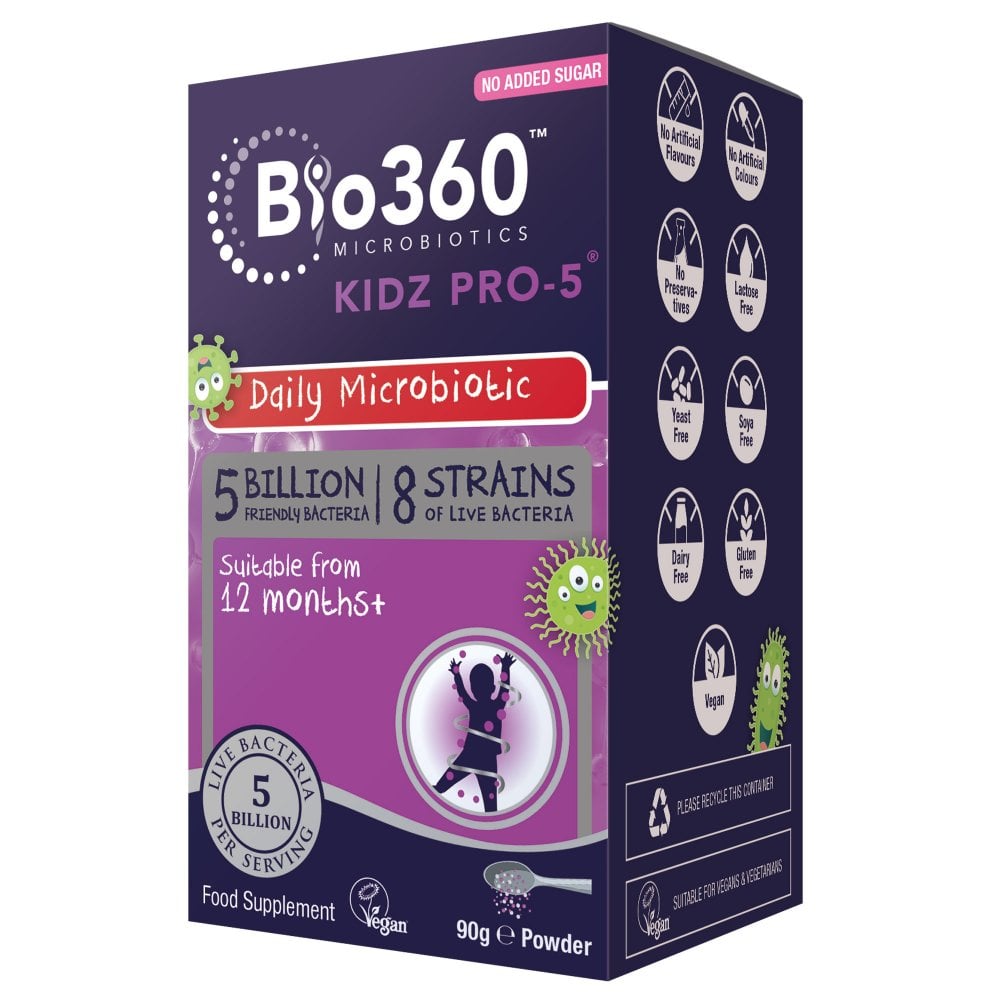
Natures Aid Bio360 Kidz Pro-5
Live bacterial strains which help replace the friendly bacteria in the gut and helps the tummy feel comfier.

Animal Parade Children’s Tummy Zyme Digestive Aid
If you spot undigested food in your little one's nappy, then try some Tummy Zyme!

Metabolics Super Zinc
Zinc is the second most abundant mineral in your central nervous system and can influence sense of taste and smell.
References
- The rapidly changing world of food allergy in children. Katherine Anagnostou, Rosan Meyer, Adam Fox and Neil Shah.
- Food allergy in childhood. Allen KJ et al.
- Allergic reactions to food proteins. Ballmer-Weber BK.
- The role of mast cells in allergic inflammation. KawaAmin.
- Food protein-induced enterocolitis syndrome and allergic proctocolitis Anna Nowak-Węgrzyn, M.D.
- Manifestations of food protein induced gastrointestinal allergies presenting to a single tertiary paediatric gastroenterology unit. Rosan Meyer et al.
- Clinical Presentation of Pediatric Autoimmune Neuropsychiatric Disorders Associated with Streptococcal infections in Research and Community Settings Susan E. Swedo et al.
- Pediatric Autoimmune Neuropsychiatric Disorders Associated with Streptococcal Infections (PANDAS) Graziella Orefici, PhD et al.
- Zinc: an overview. Prasad AS.
- Zinc and the special senses. Russell RM et al.
- Infants and elderlies are susceptible to zinc deficiency.
- Anemia and iron deficiency in children: association with red meat and poultry consumption. Moshe G et al.
- Prevalence and risk factors of anemia in children. Zuffo CR et al.
- Iron deficiency and impaired child development.
- Impact of iron deficiency anemia on the function of the immune system in children. Hassan TH et al.
- A meta-analysis of pica and micronutrient status. Miao D et al.





I’m 44 and still eat this way. It’s a sensory issue. 100%. Texture, smell, and visual appeal all play into it, and in different ratios for each person.
I’m primarily only concerned with texture. I don’t taste or smell strongly, so how it feels in my mouth is the primary input I receive during a meal.
My daughter has strong flavor experiences, and wants food that is bland & plain. Butter, sugar, & salt are her limits on spices.
My son also has strong flavor experiences, as well as smell, but he favors strong flavors and smells. He likes the stimulation.