
Is the contraceptive pill depleting your nutrient levels?

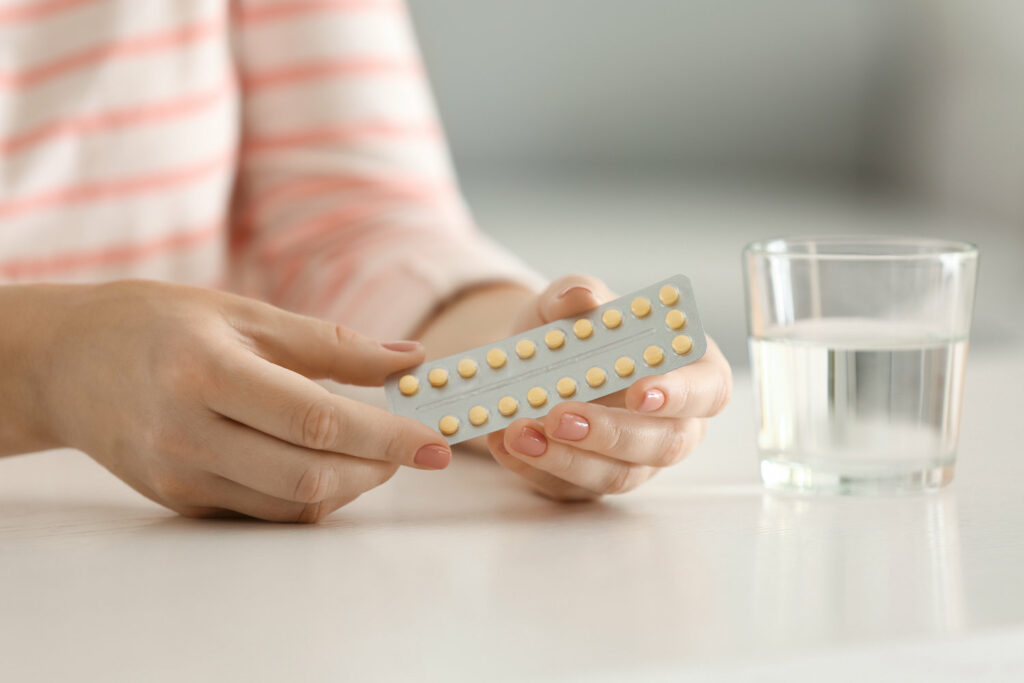
Many women take the contraceptive pill to prevent pregnancy, regulate their menstrual cycle and to help acne outbreaks. However, did you realise that these handy birth control pills can also influence how well your body absorbs some essential nutrients? If you or your daughter rely on the contraceptive pill, it’s important to understand that you might need a little extra nutritional boost while using this method of contraception. Here is the nutritional know-how you need if you are currently taking the birth control pill or if you have taken it for a long time in the past.
Get our lovely Healthy Bites newsletter each week!
Each week, you’ll get an amazing recipe, a useful health tip, and an ingredient to jazz up your shopping basket! We don’t share your details with anyone else.
How does the contraceptive pill work?
The oral contraceptive pill (OCP), also known as “the pill,” is a birth control tablet that contains hormones, typically a combination of oestrogen and progesterone. It works by preventing ovulation (the release of an egg from the ovaries) and altering the cervical mucus to make it more difficult for sperm to reach the egg. The contraceptive pill is a popular form of birth control, but it is also often prescribed if a woman is having irregular or troublesome periods, as well as for young women who experience acne and pimples.
How does it deplete nutrients?
When you are taking the pill, there are some additional nutrient requirements that you need to consider. This is because the contraceptive pill can potentially reduce your ability to absorb the nutrients from the food that you eat. This can, over time, lead to a deficiency of key nutrients which are important for energy levels, immunity, glowing skin as well as mental health. Much of this research was done in the 1970s and there has been more in the last few years.
The contraceptive pill can potentially reduce nutrient absorption in the following ways:
- Hormonal changes: The synthetic hormones in the contraceptive pill can disrupt the body’s hormonal equilibrium, affecting digestion and nutrient absorption. These synthetic oestrogens, can increase cholesterol in bile, making it denser and harder for the gallbladder to expel the bile. This change can potentially lead to gallstones and reduce the digestion and absorption of dietary fats, including fat-soluble vitamins A, D, E, and K. Consequently, hormonal contraception could lead to deficiencies in these essential vitamins.
- Gut microbiome alteration: The contraceptive pill can affect the balance of beneficial and harmful bacteria in the gut, known as the gut microbiome. A healthy gut microbiome plays a crucial role in digestion and nutrient absorption. Disruption of the gut microbiome can lead to reduced nutrient absorption, particularly of essential vitamins and minerals. Taking the contraceptive pill may make you more prone to vaginal yeast infections and this maybe due to an imbalance in the gut microbiome.
- Interference with nutrient metabolism: The synthetic hormones in the contraceptive pill can interfere with the metabolism of certain nutrients, such as folate, vitamin B6, vitamin B12, vitamin C, magnesium and zinc. This interference can lead to a reduced ability of the body to use these nutrients effectively, even if they are absorbed from the food that you eat.
- Nutrient excretion: The contraceptive pill can increase the urinary excretion of some nutrients, particularly water-soluble vitamins such as the B vitamins (think vitamin B6, vitamin B12 and folate) and as well as vitamin C. This increased excretion can lead to a depletion of these nutrients in the body, which can in turn affect the overall nutrient absorption.
It’s important to note that the influence of oral contraceptives on nutrient depletion can vary quite a bit depending on the individual woman and the type of contraceptive pill being used. If you know you are prone to deficiencies of any of the nutrients below, either because of metabolic or gut issues then it is even more important to top up.
How to keep nutrients topped up through diet
Here are some foods tips you can focus in on eating whilst you are on the contraceptive pill to help prevent these nutrient depletions:
- Love your gall bladder: You should suspect bile stasis if you get digestion issues when you eat a fatty meal or have pale coloured fatty stools. To ensure that bile flows well and that you are able to easily digest the fat-soluble vitamins A, D, E & K, firstly ensure that you do not get constipated(!). And also eat foods that support gall bladder health such as beetroot, artichokes, olive oil, lemon juice, green salad leaves like endive and rocket, as well as foods packed with fibre such as flax, chia and hulled hemp seeds.
- Bolster the gut microbiome: An out of sync microbiome may show as bloating or excess gas. To build a healthy microbiome think live yoghurt and kefir as well as cultured or pickled foods like sauerkraut, kimchi, pickled cucumbers, vinegar and miso to help build greater diversity to optimise nutrient absorption and help prevent yeast overgrowth infections.
- Vitamin B6, B12 and B9 (folate). These key B vitamins are fundamental for our nervous system and energy levels. Foods that contain these B vitamins include red meat, liver, fish, seafood, wholegrains and dark green vegetables.
- Vitamin C and E: These vitamins are really important for immunity and help with skin health including acne and eczema. Find vitamin C in citrus fruits, berries, parsley and red peppers. You can find vitamin E in sunflower seeds, almonds, peanuts and dark green leafy veg.
- Magnesium: Signs of low magnesium can include muscle aches, twitches, poor sleep and difficulty regulating blood sugar. Magnesium is found in nuts, tuna, whole grains, dark chocolate and dark green leafy vegetables.
- Zinc: Low zinc is often present when you have acne. This is a key mineral for maintaining healthy hormones and skin as well as helping with digestion and immunity. Try and incorporate plenty of seafood, fish, nuts, seeds, dairy and meat to get your daily dose of zinc.
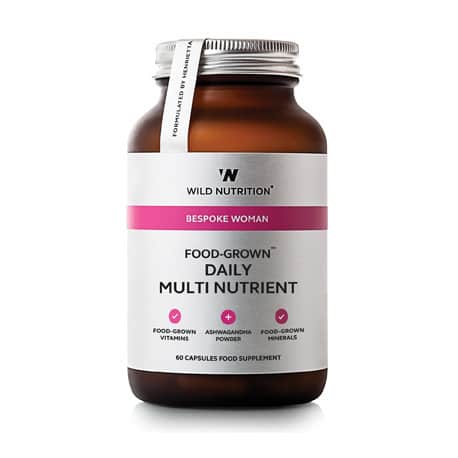
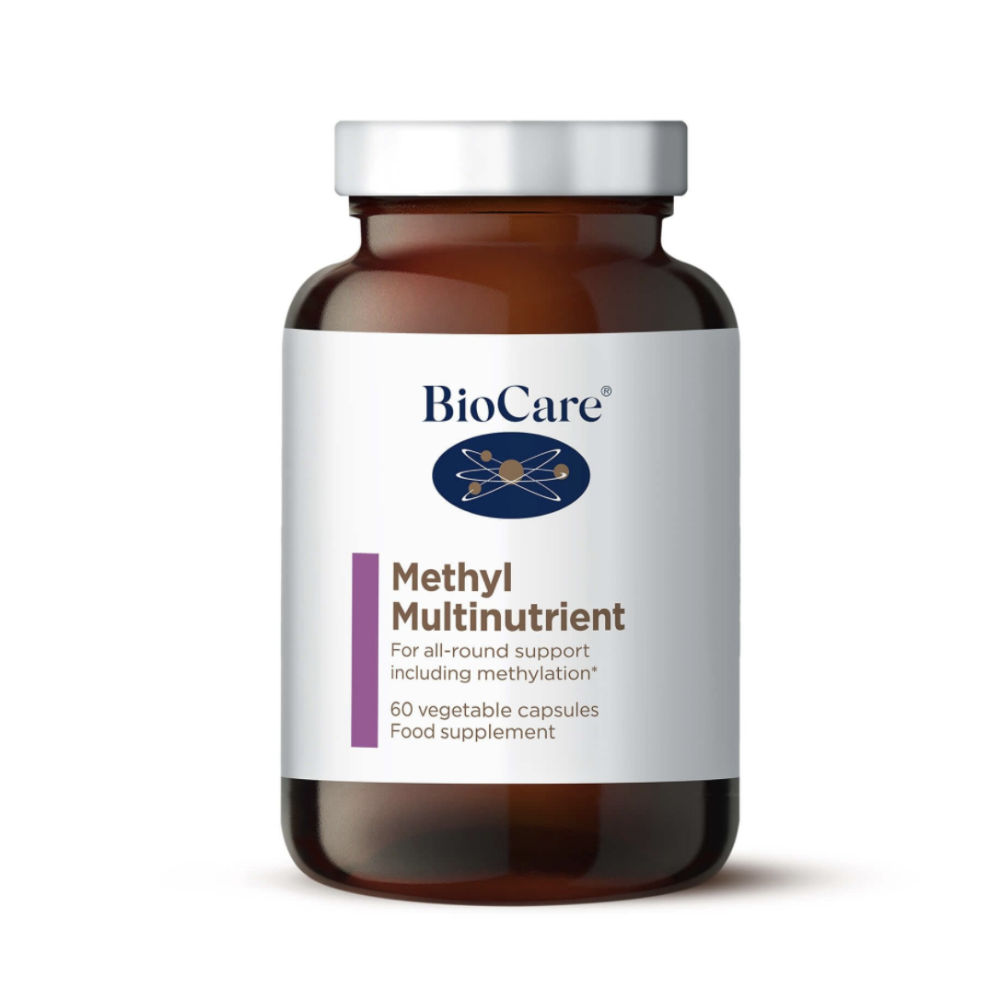
If you are not sure exactly which nutrients to increase, it may be beneficial for you to take a good quality women’s multi-vitamin, especially if know you are struggling to eat enough nutrient-dense foods on a regular basis.
Round Up
If you’re on the pill, make sure you’re not neglecting your nutrient needs. Keep your energy levels up, your immunity strong, your skin glowing, and your mental health in check by eating a nutrient rich diet. Don’t let the pill take away from your wellbeing – prioritise your health and make sure you’re getting the nutrients you need.
If you need any help with your nutrition or would be interested in getting your nutrient levels checked, please get in touch with our women’s health team at NatureDoc clinic to arrange an appointment.

References
- Oral contraceptives and changes in nutritional requirements
- Effect of oral contraceptive agents on vitamin and mineral requirements
- Nutritional effects of oral contraceptive use: a review
- Nutrition and the pill
- The influence of biological sex and sex hormones on bile acid synthesis and cholesterol homeostasis
- The Pathological Mechanisms of Estrogen-Induced Cholestasis: Current Perspectives
- Effects of oral contraceptives on vitamin metabolism
- Effect of oral contraceptive agents on nutrients: II. Vitamins
- Effects of oral contraceptive agents on copper and zinc balance in young women
- Zinc excretion in young women on low zinc intakes and oral contraceptive agents
- Longitudinal analysis of the impact of oral contraceptive use on the gut microbiome
- Combined hormonal contraceptives are associated with minor changes in composition and diversity in gut microbiota of healthy women
- Studies on the role of intestinal bacteria in metabolism of synthetic and natural steroid hormones
- The impact of oral contraception on vulvovaginal candidiasis
- Oral contraceptives, reproductive factors and risk of inflammatory bowel disease



Responses