
Little Women – how to support your daughter’s hormones (and why you should)

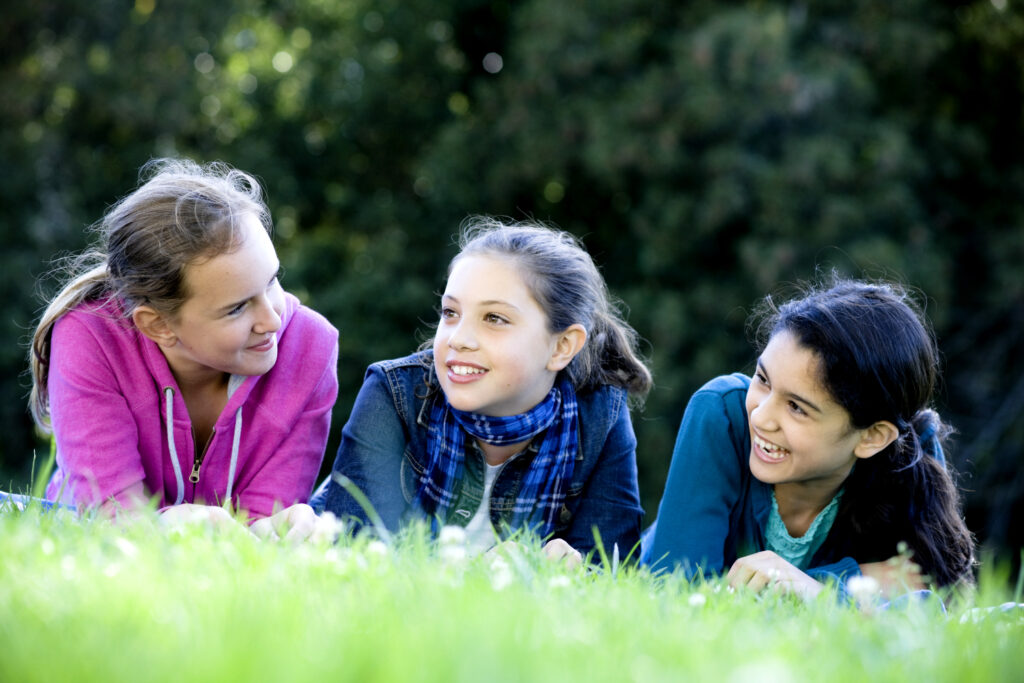
When your daughter starts to show the signs of puberty for the first time it can be a confusing and emotional time, so as a parent, it’s helpful to have open and informative discussions with her about the signs and symptoms of puberty.
Some teen and tween-ager girls find puberty a particularly tricky time and may need extra help to support emotional and hormonal health. And once her period starts it can also be hard to get her menstrual cycles regular and balanced. Read on to learn my top tips for supporting hormone balance in our precious little women.
Get our lovely Healthy Bites newsletter each week!
Each week, you’ll get an amazing recipe, a useful health tip, and an ingredient to jazz up your shopping basket! We don’t share your details with anyone else.
What are the signs and symptoms of puberty?
It is unlikely that your daughter’s period will arrive totally out of the blue, as her body is likely to offer up quite a few clues first. Her puberty-related body changes will tend to be quite slow and start several years before menstruation. The very first signs of puberty are whiffy under arms and tiny little outbreak pimples or blackheads in the T-zone on the face – on the forehead, around the nose or on the chin.
Most girls need to have developed breasts, grown some pubic hair and also have some vaginal discharge for quite some time before menstruation kicks in. Here is more detail:
Developing Breasts – Initially your daughter will grow breast ‘buds’ and then her breasts might take three to five years to fully develop. It is not uncommon for her breasts to sometimes feel sore and tender as they begin to grow, and they may not grow evenly – it is common for one breast to grow bigger and faster than the other. Please be reassured that this is totally normal and nothing to worry about and that her breasts will even out over time. Once her breasts have started developing, it’s usually around two years until her first period, but of course this will vary.
Pubic Hair – After her breasts have started to form, she will start to develop hair growth in her pubic area and under her arms. Initially, her pubic hair will be thin and soft but over time will become coarser. Once pubic hair has started to grow, her first period may well arrive within a couple of years.
Vaginal discharge before her first period – As oestrogen levels start to increase your daughter is likely to experience vaginal discharge. It’s her body’s natural way of keeping her vagina healthy. The discharge is likely to be white or yellowish and can indicate that her period may start within the next few months.
As girls can now start their periods from as young as 8 years old, it makes total sense to start chatting about them sooner rather than later, so that your daughter knows what to look out for as her body starts to change.
From my experience, the first few periods usually start when they are at school or out with friends and comes as quite a surprise. As her first period can land unexpectedly, it’s helpful to prepare some basics such as ensuring that she has panty liners in her bag in case it arrives when she is out and about. It’s also helpful to keep an extra pair of knickers in her bag or school locker.
It’s a good idea to practically prepare and discuss with your daughter what menstrual hygiene products she would feel most comfortable using. Initially it is easier for her to wear pads or period pants, however when her periods are more established, she might prefer a menstrual cup or tampons.
What age do girls get their periods?
Daughters often ask their parents when they might get their first period, and it would be wonderful if it arrived at a convenient time and place. However, no-one can know exactly when it’s likely to arrive, but her body will often show some signs that it’s on its way, and this can help prepare for when it does come.
Periods usually start between the ages of 10 to 16, however, some girls are as young as 8 when their first period arrives. This shows that age isn’t the most accurate indicator of when your daughter may get her first period, so knowing the signs and symptoms is super helpful.
The girls who experience early puberty, known as precocious puberty, may grow quickly at first and be much taller compared with their peers. These young ladies also often seem to be quite mature for their age. Interestingly, once a young girl starts her first period, her growth naturally slows down. So you may notice that if she was one of the tallest in the class prior to her periods starting, that the other girls now catch with her up in terms of height.
How often will your daughter get a period?
Of course, this is a difficult question to answer as every young girl’s body will be different, but it usually takes at least three periods before you start to see a pattern, and cycles between periods can vary between three and six weeks. After a few months to a year, she will probably notice that her period is more regular. It can be helpful at this stage to note on a calendar when her periods start or use a period tracker to take note of timings, symptoms and flow.
How to know if there is a hormonal imbalance
Once your daughter is having regular monthly periods, known as menses, you will be able to ascertain if there are any imbalances. Typically signs of hormonal imbalance might include both physical and emotional symptoms such as heavy bleeding. period pain or premenstrual syndrome (PMS) type symptoms. The good news is that you can help support your daughter manage these with nutrition, lifestyle and food supplement guidance (see below). However, if she has period pain that disrupts everyday activities then you should discuss this with her GP.
Sadly, for some young women they can suffer badly with menorrhagia (heavy or prolonged periods) or dysmenorrhea (painful and crampy periods). Both can be disruptive and unpleasant and might see your daughter withdrawing from activities that she loves or seem quite low. Irregular and scanty periods (known as amenorrhea), can also be troublesome as you don’t know when your period is arriving or ending.
Your daughter may experience physical symptoms such as cramps and stiffness, breast tenderness, bloating, loose stools, headaches and acne breakouts before her period. Coupled with some emotional symptoms such as mood changes just before or the first few days of her period, as well as feeling irritable, more sensitive, anxious, angry and even low mood.
All parents worry when their child is in discomfort but please be reassured that there are lots of natural ways to help support your daughter during this time, and most are pretty easy to implement as they just require a few dietary, simple skincare changes tweaks and some key nutrients.
Simple nutrition and lifestyle hacks for hormone balancing support
- Choose natural products for her– When picking any products that go on or into our bodies it is wise to choose natural items where possible. Growing evidence suggests that parabens, bisphenol A (BPA in plastics), pesticides, phthalate and other chemicals act as endocrine disruptors. They have the ability to interfere with our carefully regulated hormone system, they may impede the breakdown of hormones as well as artificially increase hormone levels. Seek out natural skin care, shampoos and deodorants as well as menstrual products.
- Filter her water – When we consume filtered water we are assured that contaminants such as heavy metals, chlorine, microplastics and bacteria have been removed. These toxins may have a negative impact on our overall health and hormones. It’s worth investing in a good quality water filter that helps to filter out these contaminants.
- Support her blood sugar levels – If you read my blogs regularly you know that I often talk about sugar and blood sugar balancing, this is because it is essential if we want balanced hormones. Unbalanced blood sugar can influence our mood, anxiety levels, energy, can make us irritable and also impact our sleep. Over time this can also lead to more significant hormone imbalances such as Polycystic Ovarian Syndrome. Therefore, reducing refined foods and sugar from her diet over time and increasing protein, healthy fats and vegetables can help to lessen symptoms associated with dysregulated blood sugar. One study showed that moderate to severe period cramps were present amongst teenage girls who regularly snacked on sweets, sugary snacks, puddings and concentrated fruit juices.
- The importance of cruciferous vegetables – Broccoli, cabbage, kale, cauliflower, Brussels sprouts and rocket are amazing hormone-balancing veggies. Packed with vitamins C, E and K, high in fibre and bursting with folate. Put simply, consuming plenty of cruciferous veggies may well lead to less painful periods, this is because they help to lower inflammation and contain phytochemicals such as glucosinolate. When glucosinolates are chopped, blended or simply chewed the enzyme mironase is activated. This is swiftly converted to indole-3-carbinol and it’s this compound that helps in the regulation of hormones, whilst also supporting hormone clearance.
- Think about flaxseeds – Flaxseeds contain lignans, a type of phytonutrient with possible health benefits. They contain heaps of fibre as well as protein, magnesium and potassium and are super simple to incorporate into your diet as you can purchase them ground, making them easy to add to smoothies and porridge at brekkie. One of the known benefits of flaxseeds is their ability to get your bowels moving. Constipation and hard stools can really exacerbate painful periods, so if this is an issue for your daughter, grab a bag of ground flaxseeds and add them into her daily routine. Research shows that lignans may also help to balance hormones due to their weak oestrogenic effect, you can also purchase lignans as a food supplement.
- Consider saffron for pre-menstrual ups and downs as well as painful periods – The gorgeous deep russet-coloured spice saffron has been shown in studies to influence behavioural and mood changes related to premenstrual syndrome. It has also traditionally been used to relieve period cramps due to its relaxing effects on muscles. Saffron is also a wonderful supplement if your daughter has not yet started her periods, but is feeling anxious, overwhelmed or edgy. It can be given to girls as young as eight years old to help support hormone balance. You can take saffron as a food supplement or include it in delicious Spanish recipes such as paella and it is a common ingredient in curries.
- Consider getting her iron levels tested – Low iron stores are normally associated with heavy periods. However many young women who have a fairly normal bleeding pattern can also become deficient. This is because at this life stage, a young woman needs to consume higher levels of dietary iron and it can coincide with when many girls become pickier and more selective with their foods.The National Institute of Health (NIH) recommends a daily intake of 8mg iron for girls aged between 9-13 years, and 15mg between the ages of 14-18. Of course, be mindful that if your daughter has started menstruating before the age of 14, then she is likely to need the higher recommendation. Iron-rich foods include red meat, liver, green vegetables, eggs, dried apricots and pulses. If your daughter is not willing to eat these regularly then consider iron supplementation.Some of the day-to-day symptoms associated with low iron include a pale complexion, feeling moody and grumpy and declining cognitive function. Other symptoms of low iron that are usually associated with a heavy period include fatigue, constipation, feeling lightheaded and dizzy, overall weakness and shortness of breath. It’s super important to visit your GP and get tested if you suspect low iron. Your GP is likely to recommend a blood test to assess iron status and the marker to ask for is called ferritin (iron stores).
- Consume omega-3 oils – There are numerous studies that show omega-3 fatty acids reduce inflammation and pain. One particular study on teenage girls found that painful period cramps can be eased quite significantly by including dietary omega-3 foods such as salmon, mackerel, anchovies, sardines and nuts and seeds such as chia, flax and walnuts. If they are not willing to consume these foods regularly then top up with a fish-based or marine-algae based omega 3 supplement.
- Don’t forget zinc – Zinc plays a critical role in the endocrine system and it’s often a mineral that gets overlooked. It can help regulate our cycles, it supports our stress response and helps reduce inflammation. It supports our thyroid hormones, helps our skin, regulates our appetite and balances our emotional wellbeing. It also helps with morning appetite which is a problem for many teen girls.Some common day-to-day signs that zinc levels are low include feeling sick and unable to stomach breakfast or not feeling hungry at all, as well as white flecks on nails. Other more commons signs of deficiency include acne, reduced sense of smell and taste, cracks in the corners of the mouth, low mood and white spots on our nails. You can increase your zinc levels by including foods such as red meats, shellfish, legumes as well as hemp, pumpkin and sesame seeds. The female basic minimum daily dietary recommendations for zinc (according to the NIH), are 8mg for girls between the ages of 9-13 and 9mg for 14–18-year-olds.
Round up
Going through puberty can be a challenging time for both parent and child, but there are lots of ways to support her through this tricky time. It’s super easy to introduce some simple nutrition and lifestyle changes whilst including some specific food supplements if necessary.
Of course, if you have concerns about your daughter’s menstrual cycle or other hormone symptoms then please reach out to your GP first. But, if you want to investigate a more holistic approach for hormone health, then NatureDoc has a dedicated team of Nutritional Therapists that specialise in female hormones. Please pop any questions you may have below, and we’d love to help you support your special little women.
References
- NHS – Starting your periods
- National Institute of Health – IRON
- National Institute of Health – ZINC
- Cosmetics as endocrine disruptors: are they a health risk?
- Analytical methods for the determination of endocrine disrupting chemicals in cosmetics and personal care products: A review
- The impact of endocrine disruptors on endocrine targets
- Bottled water versus tap water: understanding consumers’ preferences
- Synthetic Polymer Contamination in Global Drinking Water
- Endometriosis, dysmenorrhea and diet—What is the evidence?
- Relationship between Diet, Menstrual Pain and other Menstrual Characteristics among Spanish Students
- Major dietary patterns in relation to menstrual pain: a nested case control study
- Effects of anemia and iron deficiency on quality of life in women with heavy menstrual bleeding
- Iron Deficiency Anemia in Adolescents Who Present with Heavy Menstrual Bleeding
- Cruciferous Vegetables
- Saffron for the Management of Premenstrual Dysphoric Disorder: A Randomized Controlled Trial
- Crocus sativus L. (saffron) in the treatment of premenstrual syndrome: a double-blind, randomised and placebo-controlled trial
- Supplementation with omega-3 polyunsaturated fatty acids in the management of dysmenorrhea in adolescents
- Omega-3 fatty acids in health and disease and in growth and development
- Naturally Lignan-Rich Foods: A Dietary Tool for Health Promotion?
- Bioactive Components of Flaxseed and its Health Benefits
- Diet and Inflammation
- Review: The role of zinc in the endocrine system
- The Role of Zinc in Selected Female Reproductive System Disorders
- Effect of dietary components, including lignans and phytoestrogens, on enterohepatic circulation and liver metabolism of estrogens and on sex hormone binding globulin (SHBG)
- Isoflavones, lignans and stilbenes – origins, metabolism and potential importance to human health

Thank you so much for this very helpful article. My daughter is 12 and hasn’t yet started her periods so I will share it with her. Can I just ask how much flaxseed is one serving please (if she were to add it to a smoothie in a glass for example)?
Does underarm hair growth always happen after breast development? My daughter who has only just turned 9 has started getting underarm hair but no noticeable budding or breast development.
Sometimes the under arm hair can come earlier, especially in the darker haired children (but can come earlier in the lighter haired girls too)
What your favourite water filter for drinking and whole house?
I have always liked the range from The Healthy House https://healthy-house.co.uk/product-category/water/
Is there a multi vitamin you recommend for a 14 year old?
We stock Power Teen Girl or Wild Nutrition Bespoke Teen Girl at NatureDoc.Shop