
Why Pilates and moving well is so fundamental to lifelong health

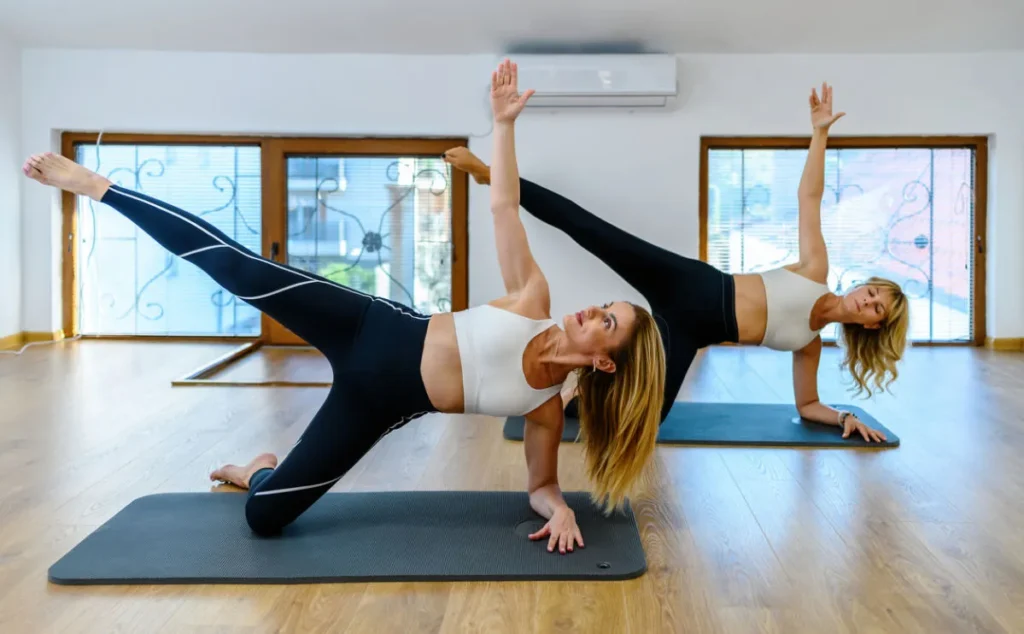
We are excited to share a guest blog with you, written by Chloe Hodgson, who is a hugely talented Pilates teacher, and runs Chloe’s Pilates.
Not everyone starts doing Pilates because they are already in physical pain, but that is how I came to it when I was younger and had a lower back injury. I had always been sporty and fit, but my physio made it clear that I was missing core strength and needed to build up some proper strength if I wanted to recover!
So I tried lots of Pilates classes but found them a bit slow and boring… until I found an incredible teacher whose dynamic, energising style completely changed how I felt in my body.
At the time, I was running my own PR and marketing company, but my teacher triggered something in me and before I knew it, I decided to train to be a Pilates teacher! Once qualified, I started teaching a weekly class in a gym. Demand was off the scale, one thing led to another and it was obviously becoming a full-time job, so I stopped my business and committed fully to teaching Pilates!
Get our lovely Healthy Bites newsletter each week!
Each week, you’ll get an amazing recipe, a useful health tip, and an ingredient to jazz up your shopping basket! We don’t share your details with anyone else.
Why moving well matters
As a Pilates teacher, I’m obsessed with helping people live their best (and longest) lives. I spend a lot of time helping people not just move more, but move better. When you move with intention, whether that’s through Pilates, a bit of strength work, or simply paying closer attention to how you sit and stand during the day, everything shifts. Your energy, your mood, the way your body feels… even the way you carry yourself.
Most of us sit far more than we realise or admit – at a desk, in the car, on the sofa – and the body really does pick up those patterns. Long stretches of sitting switch off the muscles that support good posture. Hips stiffen, the chest tightens, shoulders round, and before you know it, this becomes the “normal” way your body holds itself. It’s no surprise so many people end up with back or hip niggles.
Moving well isn’t about squeezing in long workouts; it’s more about reminding your body how it’s actually meant to move. Reaching, twisting, bending, lifting… all the things we do naturally when we aren’t stuck in the same position for hours.
This is where Pilates is just brilliant. It wakes up the deeper supporting muscles around the spine, opens the areas that get tight from sitting, and gently brings your posture back into alignment. You start to feel lighter, more mobile, and more at ease in your everyday movement.
Strength training is just as important
I’ve always loved mixing up Pilates with simple strength training too. As we get older, retaining muscle mass becomes really important for bone health and injury prevention. And strength training doesn’t need a gym – a pair of dumbbells, a resistance band, or even just your own bodyweight is more than enough.
Together, Pilates and strength work give you the ideal mix of stability and power. That combination is what supports you long-term. So many injuries happen because of poor movement habits or weakness in the small stabilising muscles, and Pilates is amazing for building those foundations.
What you can expect to gain
Movement isn’t just medicine for the body – it’s nourishment for the mind. I see it in my clients daily, those who start moving regularly feel calmer, more focused, and happier. When we move, we release endorphins, improve circulation, and shift stuck energy. Pilates, in particular, encourages mindful breathing, helping regulate the nervous system and reduce stress.
On days when life feels overwhelming, even a short 10-minute movement session can reset your mood and bring you back to yourself. And since many injuries stem from poor movement patterns, muscular imbalances, or weakness in the smaller stabilising muscles, regular Pilates can ward off injuries. It does this by strengthening the core, improving joint stability, and increasing flexibility, which are all key for preventing injuries and maintaining mobility as we age.
As I said before, the ultimate goal isn’t to “work out” harder; it’s to move better for longer. A healthy, active body supports independence, vitality, and confidence well into later life.
How to get going
You don’t need an hour a day or fancy equipment – consistency matters more than intensity. Start with small, sustainable habits.
Don’t be put off by all the toned images of people doing Pilates if you’re not in shape yet. You have to start somewhere. In your own home is nice and private, and Pilates people are lovely, kind and just want to help you be the best you.
A few simple ways to begin:
• Stand up and stretch throughout the day. Setting reminder nudges works well.
• Add a short Pilates session to your morning or evening.
• Strength train twice a week.
• Pay attention to your posture.
• Choose movement you actually enjoy – walking, dancing, gardening, anything that keeps you moving.
When you move well, you feel well. It’s one of the simplest and most powerful ways to support your physical, mental, and emotional health.
Round up
Movement is one of the most powerful tools we have for lifelong health – physically, mentally, and emotionally. When we move well, we age well. We feel more alive, more connected, and more capable in our daily lives.
So try to move with intention. Not to “get fit,” but to feel good, to support your body for the years ahead, and to reconnect with the joy of movement.
Do visit Chloe’s amazing website, combining Pilates and strength training, with a focus on form, alignment, and mindful movement. Every class is designed to help you build strength safely and effectively – improving posture, stability, and energy for everyday life. www.chloespilates.com




Responses