
Polycystic ovary syndrome? You can take back control of your health


Are you struggling with frustrating symptoms like rapid weight gain, stubborn acne and hair growing in places you’d rather it didn’t? Do you rarely get your period and experience unpredictable mood swings? If so, you could be dealing with a hormonal and metabolic disorder called polycystic ovary syndrome (PCOS).
But don’t despair! With the right nutrition tips and daily habits, you can take back control of your hormones and metabolism and start feeling fabulous again!
Get our lovely Healthy Bites newsletter each week!
Each week, you’ll get an amazing recipe, a useful health tip, and an ingredient to jazz up your shopping basket! We don’t share your details with anyone else.
What is PCOS?
PCOS affects women of reproductive age, and it can start as early as the teenage years. According to the NHS, a whopping 1 in 10 women may suffer with PCOS. To be eligible for a diagnosis you need to have two out of the following three symptoms: irregular periods, cysts on your ovaries (confirmed via an ultrasound), and signs of excessive male hormones.
What are the key things to look out for?
Like many hormonal conditions, PCOS is complicated with some women experiencing mild symptoms and others really suffering. The exact cause is unknown, however, it is believed to be a combination of a few factors
Hormonal imbalances: High levels of androgens such as testosterone and lower levels of progesterone are associated with PCOS. This imbalance can prevent the ovaries from producing and releasing regular eggs. As a result, periods can become irregular which then can influence fertility. The imbalance in hormones can also affect skin health, leading to acne and oily skin; hair loss on the scalp and hair growth elsewhere (on the face for example); and fluctuations in mood.
Insulin resistance: Women that suffer with PCOS are very often also insulin resistant. This means their bodies are less able to respond to insulin, the hormone that helps to regulate our blood sugar levels. The imbalance in blood sugar levels can lead to weight gain and difficulty losing weight, as well as lowering energy levels making you feel tired. Insulin resistance leads the body to produce more insulin which can then over stimulate the ovaries, resulting in higher production of androgens.
Autoimmunity: Although PCOS is not currently considered an autoimmune disease, it does have some of the same markers, in the levels of inflammation and insulin resistance. These symptoms are also often present in autoimmune conditions, such as inflammatory bowel disease, Hashimoto’s thyroiditis and rheumatoid arthritis.
How to get back into balance
The good news is that PCOS can be effectively managed through diet and lifestyle modifications. You can take proactive measures to balance your hormones by regulating your blood sugar, reducing stress and increasing your activity levels. Try giving these recommendations a go:
- Focus on protein – Have at least a palm-sized portion with every meal (meat, oily fish, eggs, tofu, pulses). Protein helps to stabilise blood sugar levels, reduces cravings and helps to keep you fuller for longer.
- Reduce refined sugars – Food such as biscuits, cakes, muffins, sweets and sugary drinks really disrupt our blood sugar levels. Cut back where you can!
- Eat three meals a day – When we avoid snacking, our digestive system gets to have a rest in between eating and does not continually release insulin throughout the day.
- Consume brassicas – Think cauliflower, broccoli, kale, rocket, cabbage and Brussels sprouts as they contain indole-3-carbinole, a compound that supports the breakdown and removal of excess hormones via the liver.
- Cinnamon – Studies show that this lovely warming spice can help to balance blood sugars. Add it to stews and curries or simply stir it into porridge.
- Manage stress – This is super important, because stress impacts our adrenal glands which is one of the areas where androgen hormones are made. Practice relaxation techniques that work for you such as breathwork, meditation and mindfulness.
- Avoid alcohol – Alcohol can be disruptive to our liver, preventing it from removing excess hormones. I recommend cutting right down until your symptoms are under control, and you start to feel better.
- Prioritise sleep – Poor sleep is associated with an increased risk of insulin resistance and obesity, and both of these play a role in PCOS. If we sleep badly, we are also more likely to reach for processed foods and sugars. To help you get a restorative night’s sleep, things you can do include avoiding caffeine in the afternoon and evening, exercising regularly and turning off technology at least an hour before bed.
My top three supplements for PCOS
Inositol – Inositol (or myoinositol), is naturally produced by the body and is found in many foods, including fruits, beans, grains and nuts, but you can also take it as a food supplement to boost your intake. It can help with blood sugar and hormone balancing as well as with mounting anxiety or OCD that brews up when feeling out of sync. Studies have found that inositol may help to reduce androgen hormone levels, regulating menstrual cycles. It has also been shown to improve egg quality and increase the chances of ovulation in women undergoing fertility treatments.
Saffron – The spice, saffron, has been shown to have anti-inflammatory and antioxidant properties, which may help reduce both oxidative stress and inflammation which are common in women suffering with PCOS. Additionally, saffron may also help to regulate menstrual cycles and improve insulin sensitivity both of which may help dial down PCOS symptoms. Its distinct yellow colour and flavour is often used in paella and curries.
Chromium – The mineral chromium is considered essential for human health as it is involved in many physiological processes, including glucose metabolism and insulin signaling. Research suggests that chromium supplementation may be beneficial for women with PCOS because it can improve insulin sensitivity. It may also help regulate menstrual cycles and improve fertility, reduce acne, hirsutism and reduce inflammation. You can find small amounts of chromium in meat, fish, poultry, whole grains, green leafy veg and some fruits, however, taking a food supplement can often be helpful to ensure you obtain adequate amounts.
Round up
PCOS is a complex issue and varies in how it affects every woman, but you can regain control of your health with simple steps in diet and lifestyle.
Feeling overwhelmed? This is where a nutritional therapist specialising in women’s health and hormones can help you to unravel what is going on behind the scenes and support you in making the right changes. Get in touch and book in with one of our women’s health practitioners today.
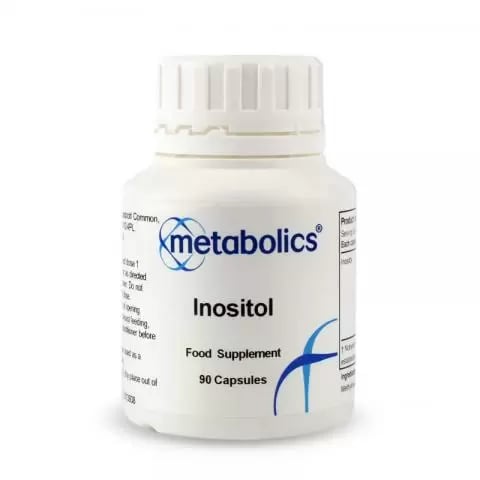
Inositol
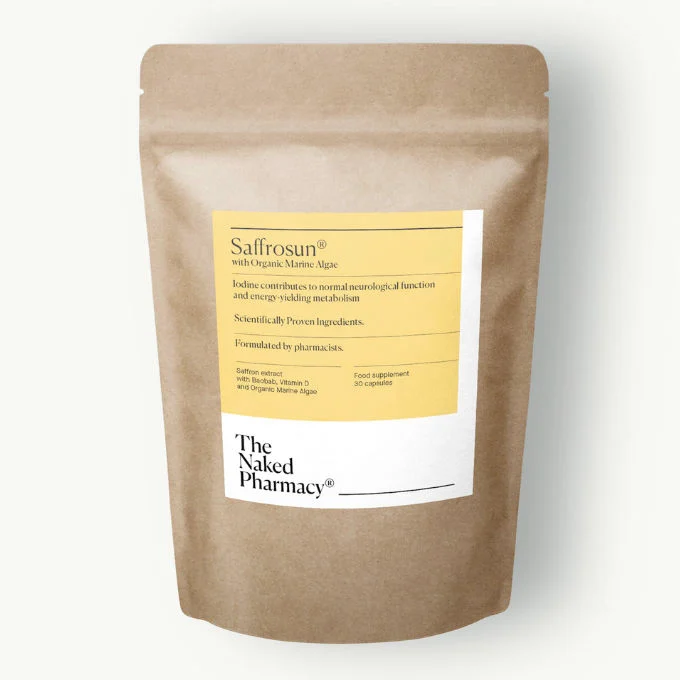
Saffrosun
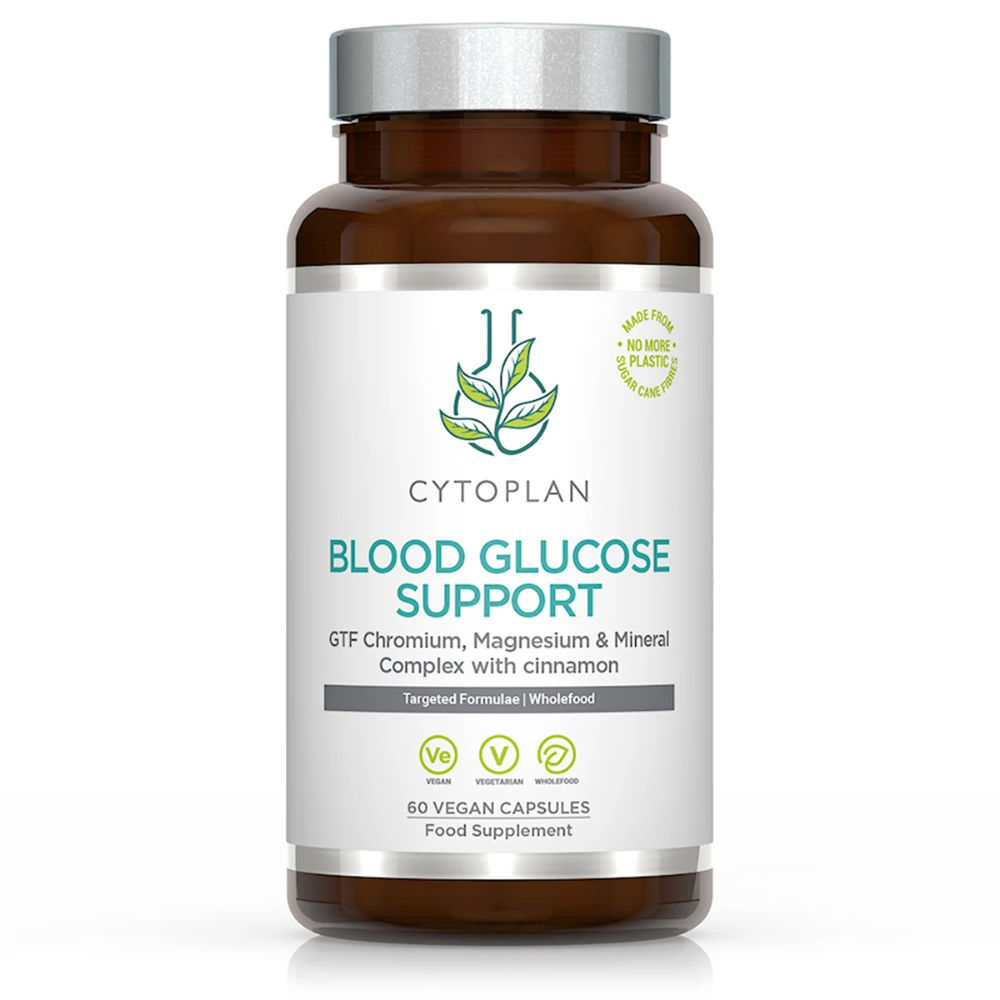
Blood Glucose Support
References
- Obesity and Polycystic Ovary Syndrome
- Polycystic Ovary Syndrome May Be an Autoimmune Disorder
- Possible Link Between Stress-related Factors and Altered Body Composition in Women with Polycystic Ovarian Syndrome
- Stability of adrenocortical steroidogenesis over time in healthy women and women with polycystic ovary syndrome
- The physiological basis of complementary and alternative medicines for polycystic ovary syndrome
- Effect of Hydroalcoholic Extract of Vitex Agnus-Castus Fruit on Ovarian Histology in Rat with Induced Polycystic Ovary Syndrome (PCOS)
- Role of sleep quality in the metabolic syndrome
- Major sleep disorders among women: (women’s health series)
- The role of sleep hygiene in promoting public health: A review of empirical evidence
- Use of sleep hygiene in the treatment of insomnia
- Relaxation and sleep compression for late-life insomnia: a placebo-controlled trial
- The Importance of Sleep Hygiene in Polycystic Ovary Syndrome from the View of Iranian Traditional Medicine and Modern Medicine
- The inositols and polycystic ovary syndrome
- Effects of inositol on glucose homeostasis: Systematic review and meta-analysis of randomized controlled trials
- Inositol supplement improves clinical pregnancy rate in infertile women undergoing ovulation induction for ICSI or IVF-ET
- Effects of myo-inositol supplementation on oocyte’s quality in PCOS patients: a double blind trial
- Crocus sativus (saffron) petals extract and its active ingredient, anthocyanin improves ovarian dysfunction, regulation of inflammatory genes and antioxidant factors in testosterone-induced PCOS mice
- Saffron for the Management of Premenstrual Dysphoric Disorder: A Randomized Controlled Trial
- Crocus sativus L. (saffron) in the treatment of premenstrual syndrome: a double-blind, randomised and placebo-controlled trial
- Chromium supplementation and polycystic ovary syndrome: A systematic review and meta-analysis
- The Influences of Chromium Supplementation on Glycemic Control, Markers of Cardio-Metabolic Risk, and Oxidative Stress in Infertile Polycystic ovary Syndrome Women Candidate for In vitro Fertilization: a Randomized, Double-Blind, Placebo-Controlled Trial
- Effect of chromium niacinate and chromium picolinate supplementation on lipid peroxidation, TNF-α, IL-6, CRP, glycated hemoglobin, triglycerides, and cholesterol levels in blood of streptozotocin-treated diabetic rats
- The Effects of Chromium Supplementation on Endocrine Profiles, Biomarkers of Inflammation, and Oxidative Stress in Women with Polycystic Ovary Syndrome: a Randomized, Double-Blind, Placebo-Controlled Trial
- Metabolic and hormonal effects of myo-inositol in women with polycystic ovary syndrome: a double-blind trial.




Responses