
Chocolate can be good for you – learn how to enjoy it healthily


We can probably all agree that chocolate is absolutely delicious and it can cheer you up and give you a boost when you are feeling low or flat. But do you sometimes feel a bit guilty about eating it?
The great news is that you really shouldn’t feel guilty at all, and I confess I eat a few squares of dark chocolate at breakfast most days, and I’m sure it does me the power of good – I always joke that I am 100% dark chocolate!
Chocolate can be a fabulous part of a healthy diet; just use moderation and watch out for the type of chocolate you choose to eat. Here is the scoop on which chocolate to choose and its health benefits.
Get our lovely Healthy Bites newsletter each week!
Each week, you’ll get an amazing recipe, a useful health tip, and an ingredient to jazz up your shopping basket! We don’t share your details with anyone else.
What are the chocolate options?
Cocoa solids come from cocoa beans, which are the seeds from a cocoa tree. The beans are harvested, dried, fermented and then roasted. The roasted beans are ground to release the smooth cocoa butter which is then mixed with varying quantities of sugar, milk and flavours like orange, mint, nuts or dried fruit. It is the high levels of cocoa solids in dark chocolate that give it its health benefits. Cocoa is packed full of nutrients including essential minerals and soluble fibre.
Mass-produced milk chocolate tends to have high levels of added refined sugar and vegetable fats including palm oil. It tends to have a low percentage of cocoa solids and can be as low as 20% (popular brands are usually around 23%). It also often contains ultra-processed ingredients such as emulsifiers including E442 (ammonium phosphatides) and E476 (polyglycerol polyricinoleate) which may be linked to intestinal inflammation and gut microbiome disruption in sensitive people. Many brands also use flavourings which are artificial and these should state natural flavourings if they are derived from real food.
On the other hand, dark chocolate (over 70% cocoa solids), will have less sugar (remember there is still some sugar, even at 90%) and more goodness. You can also buy chocolate sweetened with coconut sugar, which is much better than refined sugar as it is less disruptive to your blood sugar and has a glycaemic index of 54 (refined white sugar has a higher glycaemic index of 65). And soya lecithin or sunflower lecithin are natural emulsifiers which are gut friendly and give the chocolate a smooth texture and shiny appearance.
Raw cacao usually is found as nibs (tiny pieces of a cocoa bean) and cacao powder, and this is even better than standard dark chocolate, as the cocoa beans have not been roasted and so you get more antioxidants and vitamin C. You can sprinkle the nibs onto granola or porridge and add the cacao powder to smoothies and homemade snacks.
Raw cacao is thought to have more antioxidants and polyphenols than other “super food” fruits such as the juice from acai, blueberries, cranberries and pomegranate. It also usually has higher levels of protein, iron, magnesium, potassium and fibre.
So, always read the labels to assess what you are buying and try and get the best quality you can – raw cacao and high percentage cocoa solids are ideal.
What about heavy metals?
There have been concerning reports of high levels of heavy metals such as lead and cadmium in some popular giant chocolate brands. Remember the consumer report from 2023 was carried out in the US, and European laws are much stricter in terms of monitoring heavy metals and also the better brands do test their batches of chocolate regularly. However, people still want to choose the lower toxicity chocolate options where possible, as heavy metals creep into so many of our foods these days.
Here is a list of brands that you can find in the UK that claim to be keeping on top of testing and are committed to the best quality chocolate. If your favourite brand is not on the list, it’s because the company does not share publicly their policy on testing for heavy metals or it was on the naughty list in the report!
I’m sure there are more options, and I wouldn’t worry too much in the UK if the brand is not on the list, but here are the chocolate brands I have found who keep within the European limit for both cadmium and lead:
- Callebaut
- Chococo
- Creative Nature
- Divine
- Food Thoughts
- Ghirardelli
- Mast
- Montezuma
- Nibble
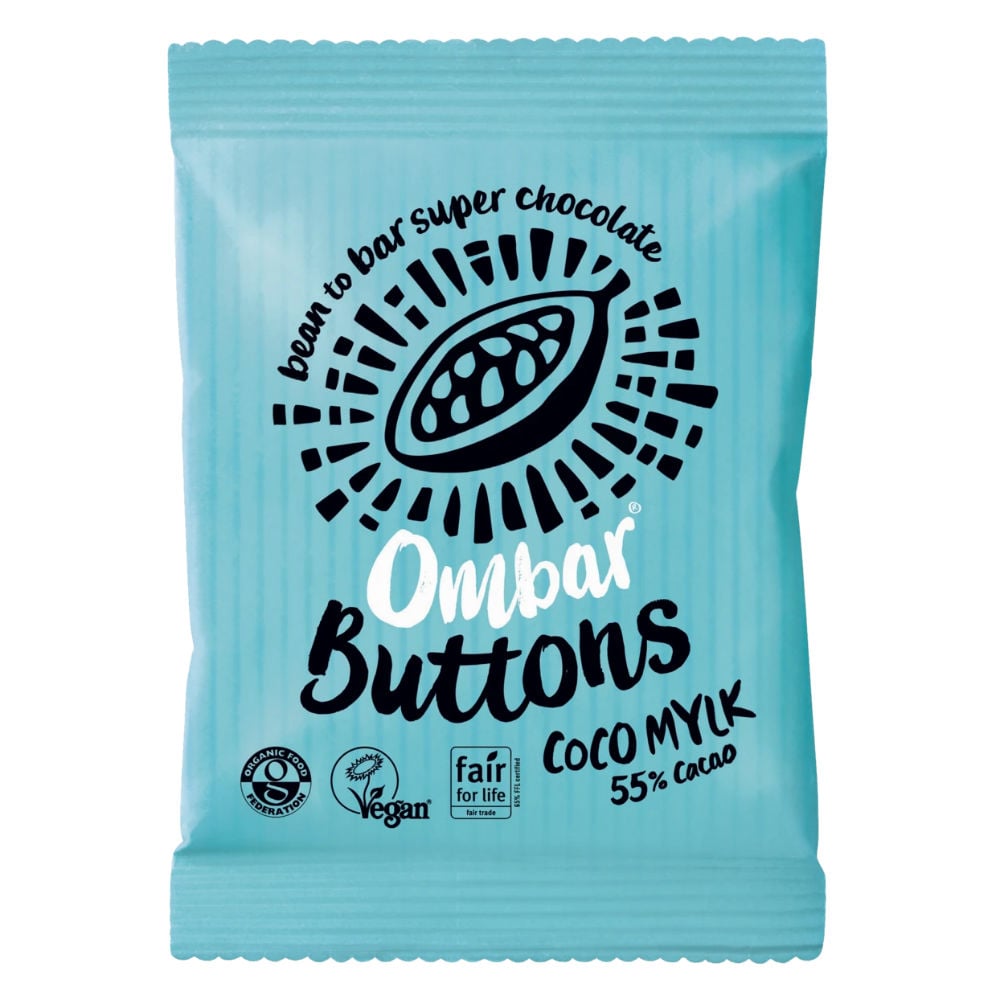
- Ombar
- Taza
- Valrhona
What are the health benefits of dark chocolate?
Dark chocolate is a source of powerful antioxidants
Dark chocolate is loaded with organic compounds that are biologically active. These have antioxidant properties which repair your cells after infection or injury and include polyphenols, flavanols and catechins. Antioxidants protect your cells against the effects of free radicals (molecules your body produces when it breaks down food, and undertakes other natural processes), preventing damage to your tissues and to your DNA.
Dark chocolate is full of essential minerals
As long as the dark chocolate you choose contains 70% or more cocoa it will be a great source of iron, magnesium, copper and manganese plus it also contains plenty of potassium, phosphorus, zinc and selenium. These minerals are necessary to maintain normal function of our body, such as balancing hormones, making neurotransmitters and regulating our immune system. Dark chocolate contains way more magnesium than the equivalent weight of green veggies, and 25g dark chocolate provides 13% of an adult’s daily intake of magnesium.
Dark chocolate contains fibre
25g of dark chocolate (70-85% cocoa) also typically contains about 2.5g of fibre. This is much more than the equivalent weight of carrots, broccoli, apples and chickpeas. Dark chocolate mainly contains soluble fibre which helps with better blood sugar control and has a prebiotic effect, feeding the beneficial bacteria in the gut. This type of soluble fibre can also help you feel fuller for longer.
Dark chocolate may lower the risk of cardiovascular disease
Strong evidence from research studies shows eating dark chocolate can improve several important risk factors for heart disease. In a controlled trial, cocoa powder was found to significantly decrease oxidised LDL cholesterol (low density lipoprotein, often referred to as ‘bad cholesterol’) in men. It also increased HDL (high density lipoprotein, often referred to as ‘good cholesterol’), in men with elevated total cholesterol.
Cocoa also reduces the risk of heart disease by reducing blood pressure. The flavanols in the cocoa can stimulate the lining of arteries, to produce the gas nitric oxide. One of the functions of nitric oxide is to send signals to the arteries to relax them, which lowers the resistance to blood flow and therefore reduces blood pressure.
Research has also found that dark chocolate can reduce insulin resistance by altering glucose metabolism. Insulin resistance is another common risk factor for heart disease, along with other metabolic diseases such as type 2 diabetes.
Dark chocolate can protect your skin
Studies show that the flavanols in cocoa can improve blood flow to the skin and protect it against sun-damage. The increased blood flow to the skin can also improve skin quality and hydration and may also help to reduce fine lines.
Dark chocolate can help with chronic fatigue
One small study found that people who consumed 15g of 85% dark chocolate three times daily for 8 weeks improved their chronic fatigue symptoms. The placebo group also ate milk chocolate with similar levels of calories and glycaemic index with a much lower % of cocoa solids (interestingly neither group put on weight), so it is likely that the improvement was due to the high polyphenol content within the darker chocolate, rather than a difference in the micro or macronutrient composition of the two chocolates.
Anecdotally, two people who undertook this study were able to return to work after having had their chronic fatigue symptoms for around two years, and chose to continue consuming higher % cocoa solid chocolate going forward.
Dark chocolate could improve brain function
Several studies have found that consuming high-flavanol cocoa improves blood flow to the brain. It can help to provide a constant oxygen and glucose supply to neurons. Cocoa may also significantly improve cognitive function and verbal fluency in elderly people with mental impairment. Younger adults can benefit too, and in one study eating 50g of chocolate helped memory and executive function in those aged 18 plus.
Teenagers and children’s brains can also benefit from eating dark chocolate. A study found that children eating dark chocolate or cocoa gained greater mental acuity and cognitive function both in the short term as well as the long term if it becomes a regular habit. So maybe the French kids who eat drink hot chocolate at breakfast are onto a good thing!
Eating chocolate with a high percentage of cocoa solids can also enhance neuroplasticity in youngsters. Neuroplasticity is brain cell repair after a head injury like a concussion or low-grade brain fog after an infection.
Chocolate may work to support neurotransmitters such as dopamine. Chocolate contains the dopamine precursor tyrosine, and this may be why some people with ADHD crave and thrive on eating dark chocolate – like me!
Cacao solids also play a role in the synthesis of serotonin, which contributes to appetite and mood regulation. Animal studies have found antidepressant effects from the cacao flavanols. It is likely why people feel happier having eaten some chocolate!
Cocoa also contains the stimulants caffeine and theobromine. Theobromine is a naturally occurring stimulant that give a mild, yet longer-lasting brain energy boost compared to caffeine, and is one of the reasons you get that feeling of satisfaction after eating chocolate. This may be a key reason that cocoa can improve brain function in the short term. However, it is a good reminder not to eat dark chocolate too close to bedtime as the sugar and caffeine and theobromine could affect your sleep. I recommend you do not eat dark chocolate after about 3pm in the afternoon if you struggle to get to sleep or stay asleep.
Round up
Chocolate CAN be good for you, when you are savvy and choose the right type! There is now a considerable amount of evidence that dark chocolate can provide powerful health benefits – and if you are stuck in a rut with eating the UPF chocolate bars with 23% cocoa solids chocolate, take the leap and aim to choose a slightly darker chocolate every time you buy a bar – start with 30% and then aim for 50% next time as this type is still nice and sweet – and over time you may start to love the 70% – and you never know you may even find 90% enjoyable over time! And cacao nibs are really nice added to your breakfast bowl.
I personally think dark chocolate is amazing stuff and helps give me long sustained focus and energy. It keeps me cheery and eating a few squares of dark chocolate lights up my day with zero guilt in tow! I hope you feel the same.
References
- Cacao seeds are a “Super Fruit”: A comparative analysis of various fruit powders and products
- How do dietary flavanols improve vascular function? A position paper
- Plasma LDL and HDL cholesterol and oxidized LDL concentrations are altered in normo- and hypercholesterolemic humans after intake of different levels of cocoa powder
- Effects of cocoa powder and dark chocolate on LDL oxidative susceptibility and prostaglandin concentrations in humans
- Blood Pressure Is Reduced and Insulin Sensitivity Increased in Glucose-Intolerant, Hypertensive Subjects after 15 Days of Consuming High-Polyphenol Dark Chocolate1,2,3
- Cocoa intake, blood pressure, and cardiovascular mortality: the Zutphen Elderly Study
- Chocolate consumption is inversely associated with prevalent coronary heart disease: the National Heart, Lung, and Blood Institute Family Heart Study
- Long-term ingestion of high flavanol cocoa provides photoprotection against UV-induced erythema and improves skin condition in women
- Cocoa Flavanol Supplementation Influences Skin Conditions of Photo-Aged Women: A 24-Week Double-Blind, Randomized, Controlled Trial
- The effect of flavanol-rich cocoa on the fMRI response to a cognitive task in healthy young people
- Benefits in Cognitive Function, Blood Pressure, and Insulin Resistance Through Cocoa Flavanol Consumption in Elderly Subjects With Mild Cognitive Impairment
- Methylxanthines are the psycho-pharmacologically active constituents of chocolate
- High cocoa polyphenol rich chocolate may reduce the burden of the symptoms in chronic fatigue syndrome
- The neuroprotective effects of cocoa flavanol and its influence on cognitive performance
- Consumption of cocoa flavanols results in an acute improvement in visual and cognitive functions
- Benefits of flavanol-rich cocoa-derived products for mental well-being: A review
- Your brain on chocolate
- Chocolate consumption, cognitive function, and Nobel laureates
- Enhancing Human Cognition with Cocoa Flavonoids
- Chocolate and the brain: neurobiological impact of cocoa flavanols on cognition and behavior
- Effects of Cocoa-Derived Polyphenols on Cognitive Function in Humans. Systematic Review and Analysis of Methodological Aspects
- Effect of Cocoa and Cocoa Products on Cognitive Performance in Young Adults





Hello! Can you recommend a cocoa nib that is “clean”? X
Please can you recommend a “clean” cocoa nib? X