
Living with an underactive thyroid? How diet and nutrition can get your zing back!

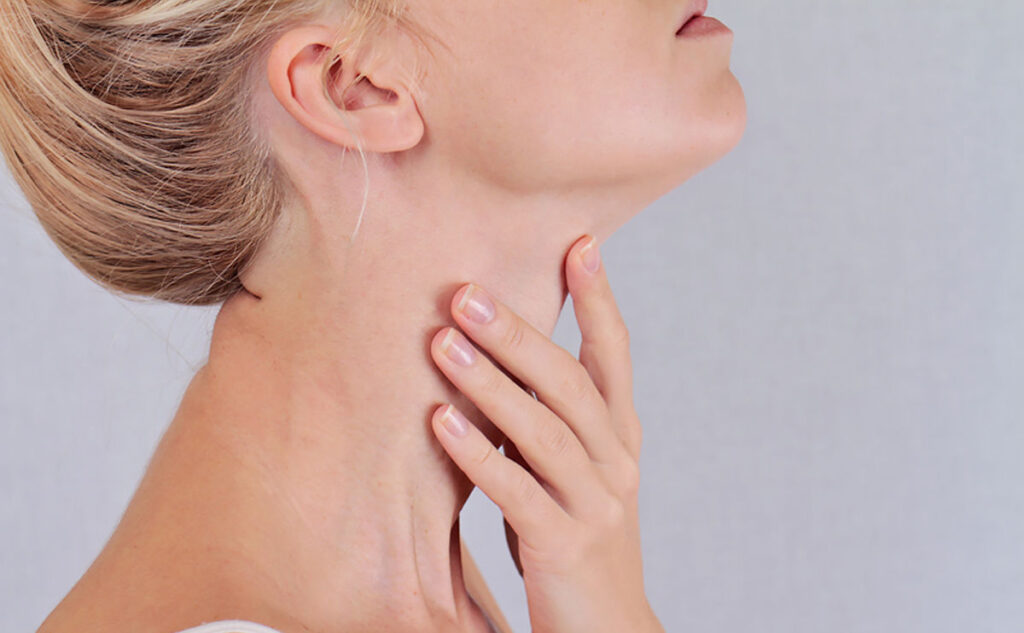
If you feel like you are walking through treacle every day, constantly exhausted; or if you easily pile on the pounds and always need to wear a couple of woolly jerseys and socks to feel warm, then you may want to explore whether you have an underactive thyroid.
Your thyroid gland is the central hub of your metabolism; think of it as your body’s thermostat. If your thyroid function starts to slow down, you can develop hypothyroidism. Since you have thyroid receptors in every cell in your body, when your thyroid begins to underfunction, you will start to feel drained and unwell all over.
In the UK, approximately 2% of the population has an underactive thyroid, known as hypothyroidism, according to the NHS and Thyroid UK. It is significantly more common in women; in fact, women are up to ten times more likely than men and children to be affected.
In my 30 years of clinical practice, I have found that some simple changes to your diet, nutrition and lifestyle mean you don’t have to live with all those pesky thyroid symptoms… and feeling sluggish and slow isn’t just a sign of ageing!
Regardless of whether you are currently on thyroid medication or not, you can have agency over your own health to help your metabolic engine get sparked up again. Making simple changes at home that can significantly help you manage your symptoms… and you can start to feel your best again!
Get our lovely Healthy Bites newsletter each week!
Each week, you’ll get an amazing recipe, a useful health tip, and an ingredient to jazz up your shopping basket! We don’t share your details with anyone else.
What is the thyroid?
Your thyroid gland is a butterfly-shaped organ located in the front of your neck, just below your voice box. Its job? To produce hormones that regulate your metabolism, which affects various bodily functions, including heart rate, circulation, body temperature and even your mental wellbeing. It even helps to keep your bones strong and your nervous system balanced by regulating blood calcium levels.
If your thyroid is running on empty, then all these functions slow right down. Eventually, your thyroid function may become clinically underactive, and you will likely be prescribed lifelong medication.
What is an underactive thyroid?
Hypothyroidism (also known as an underactive thyroid) is a commonplace endocrine disorder where you do not produce enough thyroid hormones.
Thyroid stimulating hormone (TSH), is a hormone produced by the pituitary gland, a small gland at the base of the brain. TSH stimulates the thyroid gland to produce and release thyroid hormones, specifically thyroxine (T4) and triiodothyronine. T4, also called thyroxine, is a mostly inactive hormone that helps control metabolism, and T3, called triiodothyronine, is the active form that directly affects energy use, digestion and body temperature.
TSH is the blood marker tracked by GPs and endocrinologists to ascertain if you need to take thyroid medication. A high TSH equals hypothyroidism (underactive thyroid), and if the TSH is too low, then you might be experiencing symptoms of hyperthyroidism (overactive thyroid).
Symptoms of hypothyroidism may include:
- Fatigue, despite getting enough sleep
- Takes hours to feel fully awake in the morning
- Weight gain, even if you have a small appetite
- Always cold, even on warm days
- Difficulty concentrating, memory problems or slowed thinking
- Depression and low mood
- Constipation and sluggish bowels
And some people also experience:
- Goitre – a swelling at the front of the neck
- Anaemia – low iron
- Carpal tunnel syndrome
- Dry skin and hair
- Hearing loss
- Hoarse or raspy voice
- Muscle aches and weakness
- Puffiness, swelling or water retention
- Slowed heart rate
You might only have two or three of these symptoms, or all of them!
Blood test reference ranges
When your GP or endocrinologist checks your thyroid, they usually look at three key markers in your blood to be in the following ranges:
- TSH: 0.38 – 5.33 mIU/L
- Free T4: 8.0 – 18.0 pmol/L (updated May 2024)
- Free T3: 3.8 – 6.0 pmol/L
These are the UK NHS reference ranges, but in many European countries like France, the TSH range is narrower – typically 0.4 to 4.0 mIU/L.
In my clinical experience, many people feel better and have fewer thyroid symptoms when their TSH is between 1.0 mIU/L and 2.0 mIU/L, and there are certain medical reasons for keeping TSH on the low end. However, we are all unique, and you might feel well on a slightly higher or lower level than this range, and that is ok. It is also important to know that your TSH levels can vary over time, so it is essential to retest if you are not feeling quite right.
Fertility and pregnancy are key times to watch your TSH. For those trying to conceive, on a fertility journey (including IVF) or already pregnant, it’s vital to keep TSH at or below 2.5 mIU/L. This helps support the healthy development of the baby’s brain and body. If TSH is too high, it can increase the risk of miscarriage or developmental delays.
Mental health and mood can also be supported by keeping the TSH optimal, as thyroid hormones play a significant role in our emotional wellbeing. Thyroid medication is sometimes used alongside antidepressants to help lift mood more effectively.
For depression, keeping TSH below 2.5 mIU/L can help antidepressants work better and in bipolar disorder, TSH levels between 2.5 and 4.0 mIU/L have been linked to more severe low moods and poorer response to treatment.
Many psychiatric guidelines therefore suggest aiming for a TSH below 2.0, and sometimes even close to 1.0 mIU/L, to support emotional balance and better outcomes.
Thyroid medication
Medication such as levothyroxine (a synthetic form of thyroxine, known as T4) will be considered by your GP if the TSH consistently tests over 5.33 mU/L, and it is the TSH that they will monitor to get the dosage right. Adults usually start with a dose of levothyroxine between 50-100 micrograms taken once daily. This may be increased gradually if the TSH remains too high to between 100-200 micrograms taken once daily.
Prescribed medication can help many people with an underactive thyroid, and in most cases, once you start taking it, you need to take it for the rest of your life. Therefore, you doctor will want to know for sure that it a permanent low thyroid function and not just a glitch in your blood test. This is usually why you might not be prescribed medication straight away, and your doctor may suggest a repeat blood test in a few months to look at a pattern of your thyroid before a prescription is made.
As you can see, the reference ranges vary quite a bit, and this can mean that many people fall through the net with symptoms of hypothyroidism, but their blood tests are still just within the reference range. Subclinical hypothyroidism is when you have symptoms, but your TSH is not low enough to warrant medication, and this is a widespread phenomenon that many people experience and where nutrition can make a huge difference.
Sometimes the medication is not working for you as much as you had hoped, or you might be finding it hard to settle on the correct dose. Over time, most people living with an underactive thyroid usually need to increase their dose and often still have symptoms despite taking the proper medication dose.
It is also important to note that calcium carbonate, iron supplements, soya and coffee can potentially interfere with levothyroxine absorption, so it is best to take your medication away from these at a different time of the day. Also, avoid taking lemon balm as a tea or a supplement when you are taking levothyroxine.
Next are my best science-backed ways to support your thyroid health through diet, nutrition and lifestyle to help stabilise you more and to iron out your remaining symptoms – so you can gain your vitality and ‘va va voom’ back! Read on to learn how you can take positive action to keep your thyroid working at its best.
Should I exercise?
When your thyroid is underactive, the last thing you probably want to do is exercise. However, research has found that gentle to moderate exercise over an 8-week period can help with hypothyroidism. You don’t need to go on a 10k run, but walking, tennis, pilates, yoga, and stretching are enough at the outset.
Many people with thyroid conditions find exercise in the morning the hardest, so light exercise in the afternoon or early evening may suit you better.
Which nutrients help to nourish your thyroid?
There is emerging evidence that the Mediterranean diet can help support thyroid health overall and may be especially helpful in cases of subclinical hypothyroidism. The Mediterranean diet is essentially a diet of nutritious foods cooked from scratch with lots of extra virgin olive oil. These foods include oily fish, poultry, meat, nuts, seeds, pulses and a wide range of fruits, vegetables, herbs and spices.
Research has examined additives and packaging in processed foods, which have been identified as a potential source of endocrine-disrupting chemicals that can mess with your metabolism and hormone production. These include phthalates, bisphenol A (BPA), artificial sweeteners and parabens. Higher levels of ultra-processed food consumption have also been found to pose a risk for subclinical thyroid dysfunction, so this is another reason to reduce UPFs to below 20% of your diet, which is a maximum of around four times a week.
Certain nutrients can really help you feel better, and here are seven key minerals and vitamins which can help to support your thyroid function. Ideally, consume these nutrients through your diet; however, if you are going through a period of feeling completely ‘bleurgh’ with your thyroid, then supplements may be used as ‘scaffolding’ to help you feel better.
Selenium
You might have heard that eating Brazil nuts helps your thyroid and metabolism. This is because they contain selenium, which activates enzymes that convert T4 to T3 and protects the thyroid from oxidative damage.
Food sources: Try eating 1-2 Brazil nuts daily. Also, eat plenty of seafood and eggs.
Zinc
Zinc is a vital nutrient for your thyroid if your TSH is too high and/or your T3 or T4 are too low. Dietary zinc can improve thyroid function, help to reduce TSH levels, and generate higher levels of T3 and T4. This suggests that zinc has a regulatory effect on thyroid hormones, and it can also help convert T4 to its active form, T3.
Food sources: Pumpkin seeds, beef, turkey, pork, chickpeas, peas and shellfish.
Magnesium
This mighty mineral is needed for optimal T4 to T3 conversion from the inactive to the active thyroid function. Magnesium can also help you with your energy levels and is helpful in calming the nervous system.
Food sources: Dark chocolate (70%+), leafy greens, nuts, seeds and whole grains.
Iron
Iron is vital for the conversion of T4 into T3. Without enough iron, this conversion slows down, leading to low energy and poor metabolism. If your T4 levels are low, add in more iron-rich foods and supplements, and you should see your T4 levels rise at the same time as your energy levels.
Iron deficiency can disrupt how your thyroid uses iodine and converts dietary iodide into iodine. An iron deficiency is usually the main reason why you are fatigued and have clumps of hair in your hairbrush.
Food sources: Red meat, liver, lentils, black beans, kale and apricots.
Iodine
Iodine is fundamental for thyroid hormone synthesis; however, getting the right balance is hard unless it is taken under supervision. For instance, excess iodine can worsen autoimmune thyroid conditions and hypothyroidism in some people and benefit others, so the right balance is key.
I therefore don’t recommend you supplement with iodine, unless it is only in small amounts in a multi-nutrient, and you don’t go overboard eating too much seaweed, which is the food source with the most iodine, but the concentration varies massively. The small amounts of nutrients in fish, shellfish, dairy, and eggs seem to provide enough if you eat these a few times a week.
Food sources: Seaweed, fish, shellfish, dairy (milk, yoghurt, cheese) and eggs.
Vitamin A
Vitamin A deficiency is linked with both structural and functional damage to the thyroid gland and is often associated with iodine deficiency. Vitamin A activates thyroid hormone receptors and helps regulate TSH levels, and also helps the vital T4 to T3 conversion. Ideall,y get your vitamin A from food sources where possible.
Food sources: Liver, yellow butter, creamy milk, ghee, egg yolks, carrots, tangerines, sweet potatoes and spinach.
N.B. If you or your child has yellow-tinged palms or soles and loves carrots or tangerines, then it’s worth checking your thyroid. This is because a sluggish thyroid can make it harder to convert beta-carotene into active vitamin A (retinol), leading to a build-up in the skin.
This conversion also relies on a healthy liver, so it’s also a good idea to check liver enzymes. Low levels of vitamin B12 or choline can block this process as well – so get your vitamin B12 tested.
If you spot that yellow hue, try switching from plant-based sources of vitamin A to animal-based ones such as eggs, creamy milk, fish, and meat to support better absorption and balance.
Vitamin D
Like the thyroid receptors, there is a vitamin D receptor in every cell in the body, and so low levels of vitamin D can also affect us from head to toe. Preliminary research has explored the importance of vitamin D and thyroid health and points towards its anti-inflammatory effect on the thyroi,d which in turn helps with thyroid function.
Food sources: Sunlight (aim for 20 minutes a day), oily fish such as sardines, mackerel and salmon, milk and meat from grass-fed animals and some mushrooms.
Round up
If you know you have an underactive thyroid, and the medicine hasn’t helped all your symptoms, or you feel you have subclinical hypothyroidism signs, then nutrition can be a game-changer. To get your thyroid working at its best, try incorporating my tips. Build your meals around fresh, whole foods, top up with targeted supplements as needed, and make small, sustainable changes to your daily routine. I hope this will make a big difference to you.
If you need more support for your thyroid or would like to explore your thyroid health through lab testing, please don’t hesitate to contact our NatureDoc clinical team. They are here to help and are experienced in supporting complex thyroid conditions at any age.
NB. This is a comprehensive update of a blog originally published on 11 September 2016.
References
- Thyroid UK
- NHS Inform
- American Thyroid Association Guidelines on Treatment of Hypothyroidism
- Reference ranges for TSH and thyroid hormones
- Management of thyroid dysfunctions in the elderly
- Thyroid hormone levels and thyroid dysfunction of French adults participating in the SU.VI.MAX study
- The Normal TSH Reference Range: What Has Changed in the Last Decade?
- Clinical thyroidology: beyond the 1970s’ TSH-T4 Paradigm
- Maternal thyroid-stimulating hormone reference ranges for first trimester screening from 11 to 14 weeks of gestation
- Reference Values for TSH and Free Thyroid Hormones in Healthy Pregnant Women in Poland: A Prospective, Multicenter Study
- Association of pregnancy outcomes with neonatal TSH levels in euthyroid singleton pregnancies
- Thyroid Augmentation for Major Depression
- TSH cut off point based on depression in hypothyroid patients
- Levothyroxine Interactions with Food and Dietary Supplements–A Systematic Review
- Levothyroxine drug interactions
- Effect of long-term exercise-based interventions on thyroid function in hypothyroidism: A systematic review and meta-analysis of randomized controlled trials
- Moderate exercise prevents the cell atrophy caused by hypothyroidism in rats
- Effect of acute aerobic exercise on arterial stiffness and thyroid-stimulating hormone in subclinical hypothyroidism
- The Role of Nutrition on Thyroid Function
- Additives in Processed Foods as a Potential Source of Endocrine-Disrupting Chemicals: A Review
- Ultra-processed food consumption and the risk of subclinical thyroid dysfunction: a prospective cohort study
- Mediterranean Diet and Thyroid: An Interesting Alliance
- The Effect of Mediterranean Diet on Thyroid Gland Activity
- Cardiometabolic-related dietary patterns and thyroid function: a population-based cross-sectional study
- Thyroid Health and Selenium: The Critical Role of Adequate Intake from Fetal Development to Adolescence
- Nutraceutical Supplements in the Thyroid Setting: Health Benefits beyond Basic Nutrition
- Nutraceuticals in Thyroidology: A Review of in Vitro, and in Vivo Animal Studies
- Trace elements and the thyroid
- Association of multiple blood metals with thyroid function in general adults: A cross-sectional study
- Dietary Selenium Intake and Subclinical Hypothyroidism: A Cross-Sectional Analysis of the ELSA-Brasil Study
- Selenium nutritional status and thyroid dysfunction
- Selenium, Iodine and Iron–Essential Trace Elements for Thyroid Hormone Synthesis and Metabolism
- Randomized Study of the Effects of Zinc, Vitamin A, and Magnesium Co-supplementation on Thyroid Function, Oxidative Stress, and hs-CRP in Patients with Hypothyroidism
- The TSH-dependent variation of the essential elements iodine, selenium and zinc within human thyroid tissues
- Thyroid dysfunction due to trace element deficiency-not only selenium but also zinc
- The Effects of Zinc and Selenium Supplementation on Body Composition and Thyroid Function in Individuals with Overweight or Obesity: A Systematic Review
- Chronic anemia and thyroid function
- Relationship between Iron Deficiency and Thyroid Function: A Systematic Review and Meta-Analysis
- Differences in Vitamin A Levels and Their Association with the Atherogenic Index of Plasma and Subclinical Hypothyroidism in Adults: A Cross-Sectional Analysis in China
- Is beta-carotene consumption associated with thyroid hormone levels?
- Beta-carotene, vitamin A and carrier proteins in thyroid diseases
- The carotenemia of hypothyroidism
- Manifestation of pernicious anaemia as hyperpigmentation of palms and soles
- The relationship between thyroid disorders and vitamin A.: A narrative minireview
- Carotene utilization and cholesterol metabolism as influenced by added choline and vitamin B12 to diets containing yeast or a synthetic vitamin mixture
- Effects of Vitamin B12 on the Utilization of Carotene and Vitamin a by the Rat
- Vitamin D and the Thyroid: A Critical Review of the Current Evidence
- Vitamin D and thyroid function: A mendelian randomization study
- Dietary Patterns and Hypothyroidism in U.S. Adult Population
- Iodine as Essential Nutrient during the First 1000 Days of Life
- Iodine-induced thyroid dysfunction: a scientometric study and visualization analysis





Hi Lucinda
I’ve had an under active thyroid for years for which I take levothyroxinr 100 mcg daily. I consume many of the listed foods that you mention and avoid gluten and I don’t consider myself as stressed. I would be very interested in getting my thyroid function assessed by you. How do I arrange a consultation? I am an ardent follower of your Face Book page and have been to your talks on the value of nutrition for children. Please let me know how I can arrange to meet you
Thank you
Jenny Rose
Hi Jenny. Great to hear from you and thank you for being such a fantastic supporter of the work we do at NatureDoc! Jo Saunders is our thyroid expert and she offers consultations at her clinic in Berkshire or via Skype/Facetime. Please call reception on 020 3397 1824 to book in a consultation with Jo. Best wishes Lucinda
Hi Lucinda,
I was wondering if Jo did any consultations for children? My 16m old daughter has congenital hypothyroidism and I’m seeking alternative solutions to levothyroxine.
Hi Mel. I am sure Jo can help as she does have a great deal of experience with children. It is possible to help support the thyroid so less levothyroxine is needed. It does take time and regular testing is needed.
Hi Lucinda,
I was diagnosed with Hashimoto’s about 8 years ago. I now take 125mg of Levothyroxine a day (I started out on 50 but have gradually had to move up). I avoid gluten (I was diagnosed as intolerant 8 years ago) and dairy (same thing). I drink gallons of soya milk and I’m vegetarian – wondering what else I can do to my diet to support the thyroid. Any advice appreciated!
Hi Caroline.Thanks very much for your message.It sounds like you may need some detailed advice from Jo Saunders and may need some further testing. Jo is probably the best practitioner for you to see at NatureDoc,so please book in for a consultation on 020 3397 1824.Many best wishes,Lucinda